|   QUOTE   |   PAY ONLINE   |     |  

Mortgage Loans in Trinidad & Tobago: A Complete Guide

Mortgage Loans in Trinidad & Tobago: A Complete Guide

Buying a home in Trinidad & Tobago is a major milestone, and for most people it requires a mortgage loan. Understanding how mortgages work locally can make the difference between a smooth purchase and costly surprises.

This guide explains how mortgage loans work in Trinidad & Tobago, the main loan types available, what lenders look for, the true costs of borrowing, and why property insurance is essential from day one.

Why Understanding Mortgages & Insurance Matters

Homeownership is a long-term financial commitment. A mortgage allows you to purchase property by borrowing most of the purchase price and repaying it over many years, but it also exposes you to financial risk. Interest rate changes, job instability, or property damage can all affect your ability to meet your obligations.

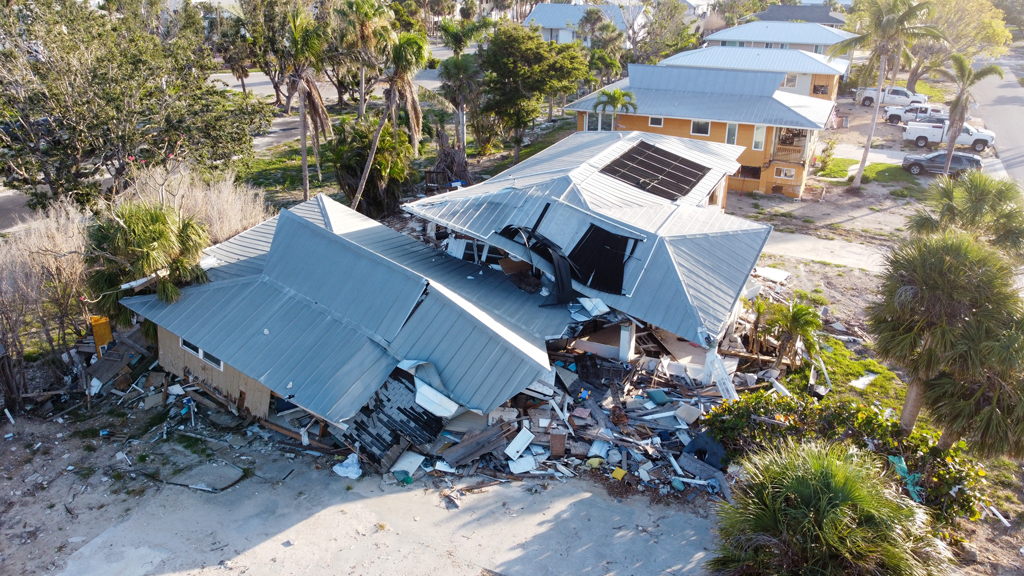
Property insurance or Homeowners Coverage plays a critical role in managing this risk. It protects both you and the lender against losses caused by events such as fire, hurricanes, floods, or other disasters. Understanding how mortgages and insurance work together helps you plan responsibly, budget accurately, and protect your investment throughout the life of the loan.

How Mortgage Loans Work in Trinidad & Tobago

A mortgage is a loan used to purchase real estate, with the property serving as collateral. You pay a down payment - typically 10% to 20% - and borrow the balance from a bank or mortgage institution. The loan is repaid over a long term, often up to 30 years, through monthly installments that include principal and interest. If repayments are not met, the lender has the legal right to repossess the property.

Lender Approval Criteria

Mortgage approval in Trinidad & Tobago depends on several key factors:

Income and employment stability: Lenders assess whether your income can comfortably support monthly repayments.

Debt service ratios: Mortgage payments usually should not exceed around 30% of gross income, with total debt obligations capped near 40%.

Credit history: A strong repayment history improves approval odds and may secure better rates.

Down payment and loan-to-value (LTV): Most lenders finance up to 80–90% of the property's value.

Property quality and location: Banks favour properties with clear title, sound construction, and strong resale potential.

How Interest Rates Are Determined

Mortgage interest rates are commonly linked to the Mortgage Market Reference Rate (MMRR), a benchmark set quarterly by the Central Bank of Trinidad & Tobago. Lenders typically apply a margin above the MMRR based on borrower risk, down payment size, and property characteristics.

Some mortgages offer fixed rates for an initial period before converting to variable rates. Understanding how MMRR movements affect repayments is important when planning long-term affordability.

Types of Mortgage Loans Available

Let's unpack the following common mortgage loan types.

Conventional Home Purchase Mortgages

These are standard mortgages offered by commercial banks and finance institutions. They usually provide up to 80–90% financing for owner-occupied homes, with terms of up to 30 years. Interest rates may be variable or fixed for an introductory period. Conventional mortgages are the most common option for buyers purchasing on the open market.

Government-Subsidized Home Loans (2% and 5% Programs)

The Trinidad & Tobago Mortgage Bank (TTMB) administers subsidized loans aimed at first-time homebuyers:

2% mortgage: For lower-income households earning up to TT$14,000 monthly, financing homes up to TT$1 million, often with 100% financing.

5% mortgage: For households earning TT$14,001–$30,000 monthly, financing homes up to TT$1.5 million, typically with up to 95% financing.

These loans offer significantly reduced interest rates that gradually increase over time. Borrowers must occupy the home and retain ownership for at least 10 years. For eligible buyers, these programs can dramatically reduce monthly repayments.

Land, Construction, and Refinancing Loans

Not all mortgages are for ready-built homes – lenders also provide financing for buying land, constructing a house, or even renovating/refinancing.

Land loans finance residential plots, usually requiring larger down payments and shorter repayment terms.

Construction loans fund home building in stages, often with interest-only payments during construction before converting to a standard mortgage.

Refinancing and equity loans allow homeowners to renegotiate rates or borrow against accumulated home equity for renovations or other needs.

Whether you're buying, building or tapping your home's equity, it's wise to discuss with your lender which specific mortgage product fits your situation, as terms and availability may vary.

Mortgage Costs: What Borrowers Must Budget For

Mortgage repayments are only part of the total cost of buying a home. Buyers should budget for the following:

Down payment: Typically 10–20% of the purchase price.

Legal fees: Approximately 1–2.5% of the property value plus VAT.

Stamp duty: First-time buyers are exempt on properties up to TT$1.5 million.

Valuation fee: Around 0.25% of the property's value.

Bank fees: Usually about 1% of the loan amount.

Mortgage indemnity insurance: May apply if financing exceeds 80% of the property value.

Homeowners insurance premium: Required upfront and renewed annually.

Life insurance: Often required to cover the outstanding loan balance.

In total, closing costs can reach 7–10% of the property price. Planning for these expenses avoids financial strain during purchase.

Why Property Insurance Is Required for Mortgages

Homeowners Coverage is mandatory for mortgaged homes in Trinidad & Tobago. Since the property secures the loan, lenders require insurance to protect against losses that could undermine its value. Banks must be named on the policy as mortgagee, ensuring insurance proceeds are applied appropriately in the event of a claim. Continuous coverage is required for the life of the mortgage.

If coverage lapses, lenders may impose force-placed insurance, which is typically far more expensive.

Beyond lender requirements, property insurance protects your equity. In a region prone to hurricanes and flooding, insurance ensures that a disaster does not result in financial ruin.

What Type of Property Insurance You Need

A comprehensive homeowners insurance policy should cover:

The building structure against fire, hurricane, flood, earthquake, and other major perils

Contents coverage for personal belongings

Liability protection for injuries or damage to others on your property

Coverage limits should meet or exceed replacement cost and lender requirements. Working with a local insurer familiar with Caribbean risks is essential.

GenAc offers homeowners insurance designed to meet mortgage requirements, covering homes, contents, and additional structures against fire, hurricanes, floods, earthquakes, theft, and more — helping homeowners remain compliant while protecting their investment.

Protect Your Investment with GenAc

Securing the right property insurance is as important as securing the mortgage itself. GenAc (General Accident Insurance Trinidad & Tobago) helps homeowners meet lender requirements while safeguarding their homes against unexpected events.

Before finalising your mortgage, ensure your insurance coverage is adequate, compliant, and tailored to local risks. Contact GenAc today for a homeowners insurance quote and protect your investment with confidence from day one.

Protect Your Home

Get homeowners insurance that meets mortgage requirements

Get a Quote

Quick Facts

  • Down payment: 10–20% typical
  • Terms: Up to 30 years
  • Insurance: Mandatory requirement
  • Closing costs: 7–10% of price

Government Programs

  • 2% mortgage: Up to $14K income
  • 5% mortgage: $14K–$30K income
  • First-time buyers
  • Reduced interest rates

Ready to Protect Your Investment?

GenAc offers homeowners insurance designed to meet mortgage requirements and protect your home against Caribbean risks. Get covered before you close.

Get Your Quote Today

Driving Regulations in TT: Guide to Road Rules, Tests & Permits

Driving Regulations in Trinidad and Tobago | Genac

Driving Regulations in TT: Guide to Road Rules, Tests & Permits

Driving in Trinidad and Tobago (TT) comes with a mix of freedom and responsibility. Whether you're a new driver gearing up for your first permit or a seasoned motorist refreshing your knowledge, understanding TT's driving regulations is crucial.

From the steps to get your driver's permit to the essential road rules and traffic signs, this guide breaks down everything you need to know. We'll walk you through the licensing system, explain the regulations (knowledge) test, highlight key road rules, and show how staying informed keeps you safe on the road.

Licensing System Overview

Understand how the licensing process works, from your first application through to earning your full Driver's Permit.

Getting your Driver's Permit

In Trinidad and Tobago, you must be at least 17 years old to apply for a driver's permit. The process is managed by the Ministry of Works and Transport's Licensing Division. First, you'll fill out an application (Form No. 4) and provide required documents, including proof of identity (National ID, birth certificate or passport) and passport-sized photos. A simple vision test at the licensing office is the initial screening – you need to pass this to move forward.

Provisional Permit

After the eye exam, the Licensing officer will issue you a Provisional Permit (learner's permit) for a small fee (TT$35). This permit allows you to practice driving under certain conditions (e.g. always accompanied by a licensed driver with at least two years' experience) until you're ready for the road test. Note that learner drivers cannot drive on highways or other restricted roads during this phase for safety reasons.

Regulations Knowledge Test

Along with the provisional permit, you'll get an appointment for the Regulations (knowledge) test. The government charges an exam appointment fee (about TT$175) for this written test, but passing it is mandatory before you can take the driving test. The Licensing Division even offers a Highway Code study guide booklet for TT$15 to help you prepare. (We'll cover more on this test in the next section.) Only after you pass the written regulations exam will they schedule your practical driving exam date – at no extra cost.

Driving Test and Full Permit

On the scheduled date, you'll take the practical driving test with a licensing officer. This road test evaluates your actual driving skills (such as vehicle control, obeying signs, parking maneuvers like the L-turn and 3-point turn, etc.). If you pass, congratulations! You will receive a Certificate of Competence and then pay the fee for your full Driver's Permit (around TT$500 for the five-year license card). With that, you become a licensed driver. (If you don't succeed the first time, don't worry – you can always reapply and retake the tests, though a re-exam fee applies.)

Understanding the Regulations Test

Before you can hit the road solo in TT, you must pass the Regulations Test – a written exam on the country's road rules and traffic signage. Don't let the idea of a written test intimidate you. This exam is essentially a multiple-choice quiz based on the official Highway Code and road sign chart. It's there to ensure every new driver knows the laws and safety rules before getting behind the wheel on their own.

What the Test Covers

The regulations test covers three main areas: general road rules (like right-of-way, speed limits, parking laws), road signs, and hand signals. You will need to recognize and interpret all the standard Trinidad and Tobago traffic signs – about 65 different road signs ranging from stop and yield signs to warning and highway informational signs.

You'll also be tested on the six basic driver hand signals (for turning and slowing down) that every motorist should know. The core of the exam is a set of multiple-choice questions on rules of the road. For a private car (Class 3) permit, the question bank has roughly 85 possible questions that you should study. In the actual test, a subset of these will be asked – typically including general driving knowledge and scenario-based questions to assess your understanding of safe driving practices.

How to Prepare

The good news is that all the material for the regulations test is publicly available. When you sign up, you have the option to get an official Highway Code and Study Guide from the Licensing Division. This booklet contains the rules, explanations of road signs, and practice questions. Many new drivers also use online resources – for example, TTRegs.com provides practice tests and the full list of questions, road signs, and hand signals to learn. It's wise to take advantage of these tools.

Study the multiple-choice questions and memorize the road signs and their meanings. Also learn the specific hand signals (e.g. an outstretched right arm means you intend to turn right, etc.), since those often appear in the test.

Exam Day

The regulations test is usually conducted on a computer or paper at the licensing office. It's typically straightforward if you've prepared – most questions are common-sense for anyone who has reviewed the material. As one experienced driver quipped, "the written test is easy – just take a day and study". Still, read each question carefully. If unsure, use logic: often, the most detailed answer is the correct one on these tests. You will need to answer a mix of multiple-choice questions about rules and identify certain road signs or signals. Once you complete the exam, you'll usually get your results immediately.

Passing this test is required to move on to the practical driving exam, so take it seriously. With proper preparation, most people pass on the first try. Remember, the goal here isn't just to pass – it's to make sure you truly understand TT's road regulations, which will make you a safer, more responsible driver.

Key Driving Rules and Road Signs

Passing your tests is just the beginning – every driver in Trinidad and Tobago must obey the road rules at all times. Here are some of the most important regulations and road signs to know.

Drive on the Left

In TT, you drive on the left-hand side of the road, British-style. Always stay in the left lane unless overtaking. This rule might take adjustment if you're from a right-driving country, but it's standard across the Caribbean. Along with this, remember to yield to pedestrians at crosswalks; pedestrians have the right of way when crossing.

Seat Belts and Safety Gear

The law requires drivers and front-seat passengers to wear seat belts at all times. If you're caught without your seatbelt on, you can face a hefty fine (ranging from $1,000 to $2,000 TT). Always buckle up as soon as you get in the car – it's for your safety and it's mandatory. Similarly, motorcyclists must wear a safety helmet by law. Ensuring everyone in the vehicle is properly restrained (including children in car seats) isn't just smart; it's the law.

Speed Limits

Speed limits in Trinidad and Tobago vary by area and are strictly enforced. In residential neighborhoods, the limit can be as low as 30–40 km/h, while in urban built-up areas it's usually around 50–55 km/h unless otherwise posted. On open main roads outside towns, speeds of 65–80 km/h are typical. Major highways allow the fastest travel – up to 100 km/h on some stretches (the recently updated law raised highway limits from 80 to 100 km/h).

Always pay attention to posted speed signs, as they override general guidelines. Never exceed the posted speed limit – speed cameras and traffic police are active, and you can receive an instant ticket for speeding. Remember, speeding isn't just about fines; it's a leading cause of severe accidents. Keep it safe and within limits.

Traffic Signs and Signals

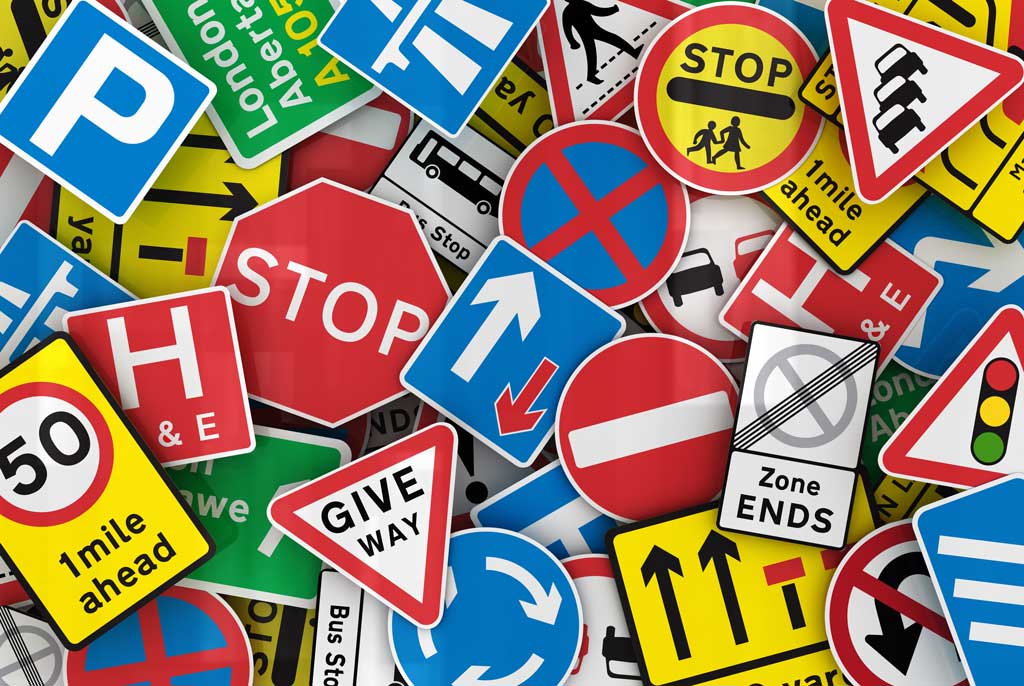
Trinidad and Tobago uses international standard road signs – triangular warning signs (e.g. sharp turn ahead), circular regulatory signs (e.g. "No U-Turn", speed limit signs), and rectangular informational signs. Key signs to know include the red STOP octagon, the inverted triangle Give Way (Yield) sign, "No Entry" signs (a red circle with a white bar), and one-way arrows, among others. Always obey traffic lights: red means stop (no turning on red), green means go (if safe), and amber means prepare to stop.

Running a red light or ignoring a "No Entry" sign is a serious offence – police can issue you a ticket on the spot for disobeying traffic signals or signs. Also, never park where you see "No Parking" signs or on sidewalks; illegal parking can result in fines. Essentially, every sign is there for a reason – to guide traffic safely. Pay close attention to them, and you'll avoid most common violations.

Required Documents and Insurance

When driving, you must have your valid driver's permit with you and your vehicle must be properly insured. Third-party insurance is legally required for all drivers in Trinidad & Tobago – driving without insurance is a criminal offence.

If you are caught driving without at least the minimum third-party coverage, you face severe penalties (fines, vehicle impounding, and even loss of your license). A gentle reminder that as at January 1, 2026, the charge for driving without an insurance policy has been increased to $10,000.

Similarly, driving without a valid permit (or with an expired license) is punishable by fines and up to six months. Bottom line: keep your license up to date and never hit the road without insurance. It's not just about obeying the law – insurance protects you financially if an accident happens.

Don't Drink and Drive

Trinidad and Tobago enforces strict DUI laws. The legal blood alcohol concentration limit is 0.08% BAC, similar to many countries. If you're caught driving over that limit, you will be arrested for drunk driving. Offenders face heavy fines, possible jail time, and suspension of their driver's permit. Enforcement is especially tight around holidays and Carnival season, when roadblocks are common. The message is clear: never drive under the influence of alcohol or drugs. Always arrange a designated driver or taxi if you've been drinking. It's simply not worth the risk to life and license.

Your Safety Is Our Priority

Even the safest driver can encounter the unexpected, and that's where GenAc comes in. We offer a range of motor insurance products tailored to the needs of Trinidad & Tobago drivers, from the mandatory third-party coverage to comprehensive plans that protect your own vehicle too.

As a leading insurer, GenAc provides the support and peace of mind you deserve. In fact, we even have you covered with 24/7 roadside assistance if you ever break down or need help on the road. Your safety is our priority, every time you start your engine.

Get in touch with GenAc today for a free quote on car insurance, and let us help you stay protected on your driving journey. Drive safe, drive smart, and know that GenAc has got you covered when it matters most.

Drive with Confidence

GenAc provides comprehensive motor insurance with 24/7 roadside assistance for Trinidad & Tobago drivers. Get your free quote today.

Contact GenAc Today

Your Complete Guide to Vehicle Registration in Trinidad & Tobago

Vehicle Registration: Step-by-Step Guide | Genac

Your Complete Guide to Vehicle Registration in Trinidad & Tobago

Vehicle registration is a mandatory step for legally driving a car in Trinidad & Tobago. Whether you've bought a brand-new ride or a foreign-used import, you must register it with the Licensing Division of the Ministry of Works and Transport.

This guide breaks down the process, fees, and important tips to ensure your vehicle's registration is handled smoothly and kept up to date.

How to Register a Motor Vehicle in Trinidad & Tobago (Step-by-Step)

Registering a vehicle might seem daunting, but it's straightforward if you come prepared. Here's how to get it done:

Obtain the Required Forms and Documents

Visit a Licensing Division office (e.g. in Port of Spain, San Fernando, Caroni or Scarborough) to get the application form for vehicle registration (Form No. 6 for private vehicles). You must be at least 17 years old to register a vehicle.

If you bought a new vehicle from a local dealer, they will provide a Pro Forma Invoice and a Motor Vehicle Tax Form required for registration. Gather other necessary documents like proof of ownership (invoice or bill of sale), your valid ID (driver's permit or national ID), and a certificate of insurance in your name. (Yes, you need insurance before registering the car – more on that later.)

Complete Inspection (if Required)

For new and imported vehicles, the next step is a vehicle inspection at the Licensing Division. Pay the weighbridge fee (TT$20) and have your car weighed and inspected on-site. The inspectors will check that the car meets roadworthy standards and complies with the road traffic laws. If you're transferring a used local vehicle, an inspection is also done at this stage to verify its identity and condition.

Submit Documents and Pay Fees

With forms filled out and documents in hand, submit your application in person at the Licensing Division. An officer will review everything – including your completed registration form, ownership documents, ID, and insurance certificate – to ensure they are in order.

If you imported a foreign-used vehicle, be ready to present all additional import documents (like the Customs C82 form, import licence, Bureau of Standards certificate, etc.) and proof that duties and taxes have been paid. Once approved, you'll pay the required fees (registration fees and any applicable taxes) at the cashier. Keep the receipt as proof.

Receive Your Certificate of Registration and License Plates

After payment, the Licensing Division will issue your vehicle's Certificate of Registration and assign license plate numbers. Plates are usually provided and installed once everything is processed. Congratulations – your car is now officially registered! Make sure to keep the registration certificate (often called the "Certified Copy") in a safe place, as you'll need it for proof of ownership and any future transactions.

Fees for Registration

The cost of registering a vehicle in Trinidad & Tobago depends on the type of vehicle and the situation. Here's a breakdown of common fees:

New Private Motor Vehicle

Registration fee of TT$100, plus a TT$20 weighbridge fee for the inspection. In addition, a one-time Motor Vehicle Tax is applied based on the vehicle's engine size or value (this tax is calculated by the authorities and must be paid before registration is completed). For example, a small sedan will have a lower tax than a large SUV. The dealer usually assists with the tax paperwork for new cars.

Imported (Foreign-Used) Vehicle

Registration fee of around TT$120. Before you can register an imported used car, you must pay all import duties and obtain necessary documents like the Customs import receipt, Bill of Lading, and an inspection certificate from the Trinidad & Tobago Bureau of Standards. These ensure the vehicle meets local standards. The TT$120 fee typically covers the registration and plate issuance for the imported vehicle (slightly higher than local new registration to account for extra processing).

Change of Ownership (Transfer)

When you buy or sell a used vehicle locally, both the seller and buyer must go to the Licensing Division to transfer the registration. The basic transfer fee is just TT$10. However, there's also a transfer tax based on the age of the vehicle (how long it's been registered in T&T).

Newer vehicles have higher taxes, and older ones have lower taxes. For example, transferring a car that's under 2 years old costs a hefty TT$6,000 in transfer tax, whereas a car over 10 years old costs about TT$150. Intermediate ages have scaled rates (e.g. around TT$4,500 for 2–5-year-old cars). These fees are paid by the new owner at the time of transfer. It's important to budget for the transfer tax if you're buying a relatively new used car.

Keep in mind that fees can be updated by the government, so it's wise to check the latest fee schedule or call the Licensing Division if you're unsure. Aside from these, if you ever need a replacement registration certificate or other special services, small administrative fees (usually around TT$100 or less) may apply.

Amendments to the Motor Vehicle Register

Vehicle registration isn't a one-and-done deal for the life of the car – you're required to update the records if certain details change. Amendments to the Motor Vehicle Register refer to any official updates to your vehicle's registered details, such as a change of colour, a new engine, or changes to the owner's personal information.

Common scenarios include:

Changing the vehicle's colour: If you repaint your car a different colour, you must inform the Licensing Division. They will update the registration to reflect the new colour.

Engine or chassis changes: Maybe you had to replace the engine, or there was a correction to the chassis number. You need to file a notification of change so that the new engine or chassis number is recorded on your registration.

Owner's name or address change: If you've changed your name (for example, after marriage) or moved to a new address, you should update those details on the vehicle registration record as well.

To process an amendment, visit the Licensing Division and request the relevant "Notification of Change" form (there are specific forms depending on what you're changing). Fill out the form and submit it with any supporting documents. For instance, to change your name, you'd bring your marriage certificate or deed poll, to change an engine, you might bring the invoice for the new engine, etc. The vehicle may be required for inspection in cases like colour or engine changes, so be prepared to present the car for verification.

There is a small fee for amendments. In most cases, a standard TT$100 "notification of change" fee applies to update the register. Once you pay, an officer will endorse your Certificate of Registration with the new details or issue an updated one. It's important to do this promptly after a change – keeping the registration accurate ensures you stay on the right side of the law and avoids any confusion about the vehicle's identity.

Why Keep Your Vehicle Registration Up to Date?

Keeping your vehicle registration current isn't just about bureaucracy – it has real benefits and is required by law. First and foremost, legal compliance: driving an unregistered or improperly registered vehicle is illegal. For example, if you sell your car to someone and don't transfer the ownership within seven days, the law says that vehicle shouldn't be on the road under the new owner. You could face fines or other penalties for failing to update the records.

Secondly, an accurate registration ensures that insurance coverage remains valid. Insurance policies in T&T are tied to the vehicle and the policyholder; if the official records don't match (say, you changed the engine and didn't report it, or you never transferred the car to your name), you might run into problems if you need to make a claim. Keeping the registration up to date helps avoid any loopholes an insurer might use to deny coverage.

Finally, practical peace of mind: up-to-date records make life easier. If your car is stolen or there's an accident, having the correct owner and vehicle details on file means authorities can reach the right person and there's no dispute about ownership. When you go to sell or trade in the vehicle, a current registration makes the transaction smoother, too. In short, staying on top of your vehicle registration is part of being a responsible vehicle owner.

Comprehensive Coverage, With Genac

While you're sorting out your vehicle registration, it's also the perfect time to think about protecting your car on the road. By law in Trinidad & Tobago, you must have at least third-party insurance coverage to register and drive your vehicle.

General Accident can help you go beyond the basics. We offer comprehensive auto insurance that not only meets the legal requirements but also covers damage to your own vehicle, theft, fire, and more. With Genac's coverage, you get peace of mind knowing that an accident or mishap won't derail your finances.

Our customers in Trinidad & Tobago trust us to deliver prompt, reliable service – from quick quotes to hassle-free claims. Keep your car fully protected with Genac, and enjoy the drive knowing you're backed by one of the region's leading insurers. Contact us today for a quote or to learn more about our motor insurance plans.

Frequently Asked Questions

How long does vehicle registration take in Trinidad & Tobago?

Registering a vehicle in T&T is relatively quick if you have all the required documents. In many cases, the process can be completed within a few working days. Typically, from the time you submit your application, it takes about 3–5 business days for the Licensing Division to process and issue your registration documents and plates.

Some straightforward cases (like a new car from a dealer with all paperwork in order) might even be processed the same day you visit. The key is ensuring you've brought all necessary forms and documents to avoid delays.

Can I register my vehicle online?

No – you cannot complete the entire vehicle registration online in Trinidad & Tobago. You must appear in person at a Licensing Division office to register a vehicle, because steps like vehicle inspection and verification of original documents can't be done over the internet.

That said, the Ministry of Works and Transport does offer some online services to make things easier. For example, you can download the required registration forms online and fill them out in advance. You can also use the online appointment system to schedule your visit to the Licensing Office. These online tools will save you time, but the final registration still happens face-to-face at the office when you submit documents, have the vehicle inspected, and pay the fees.

Do I need insurance before registering my vehicle?

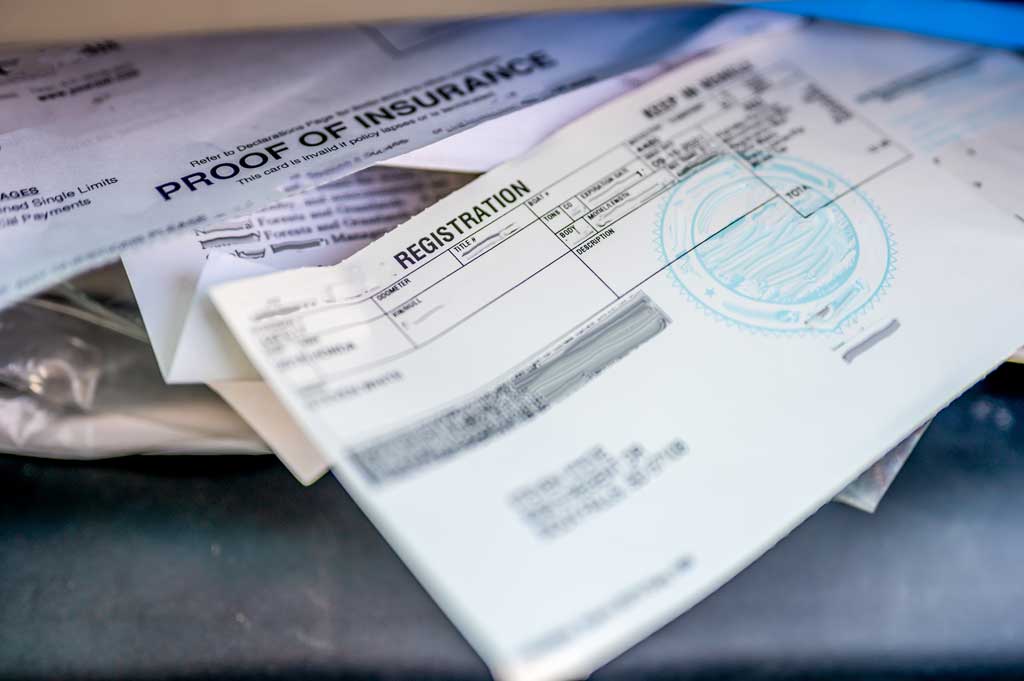
Yes, absolutely. You must have a valid insurance policy for your vehicle before you can register it. When you go to the Licensing Division, one of the documents you're required to present is a Certificate of Insurance for the vehicle.

At minimum, you need Third Party insurance coverage (which is the legal requirement in T&T to cover liability for injuries or damage to others). The insurance policy should be in the name of the person registering the vehicle (the owner). Without proof of insurance, the authorities will not register your car. Essentially, insurance and registration go hand-in-hand – you need insurance to get the vehicle registered, and you need to keep the vehicle registered for the insurance to remain valid.

What happens if I don't update my registration after a change?

Failure to update your vehicle's registration details after a significant change can lead to legal trouble. Trinidad & Tobago's laws require timely notification to the Licensing Division when ownership or key details change. For example, if you sell your car to someone else, the new owner must be registered within seven days of the sale – otherwise it's illegal for them to use the vehicle. If you don't process the transfer, the vehicle is technically still under the old owner in the eyes of the law, and both parties can be penalized.

Similarly, not reporting changes like a new engine or a color change can result in discrepancies between your car and its registration documents. If the police or licensing officers notice this (say, during a routine stop or inspection), you could face fines for not keeping the registration updated. In short, not updating the register can cost you – it's safer and smarter to do the paperwork on time.

How often do I need to renew my registration?

In Trinidad & Tobago, once you've registered a vehicle, that registration doesn't expire on a yearly basis. Unlike some countries, there isn't an annual renewal for the vehicle's registration certificate. It remains valid as long as you own the vehicle and no details change. You only return to the Licensing Division for registration matters when there's a change that needs to be recorded – for instance, a change of owner, a change of address or name, repainting the car a different colour, or swapping the engine. There's no routine renewal required for the registration itself.

However, remember that this doesn't mean you're off the hook for everything: you still need to renew your insurance every year (or as per your policy term) and ensure your vehicle inspections are up to date (commercial vehicles and older private vehicles require periodic roadworthiness inspections). Keeping those current is crucial for legal driving, even though the registration document doesn't need annual renewal.

Protect Your Vehicle Today

GenAc provides comprehensive motor insurance coverage for Trinidad & Tobago. Get your free quote and drive with confidence.

Contact GenAc Today

Car Flood Insurance in Trinidad & Tobago: Your Questions Answered

Car Flood Insurance in Trinidad & Tobago: Your Questions Answered

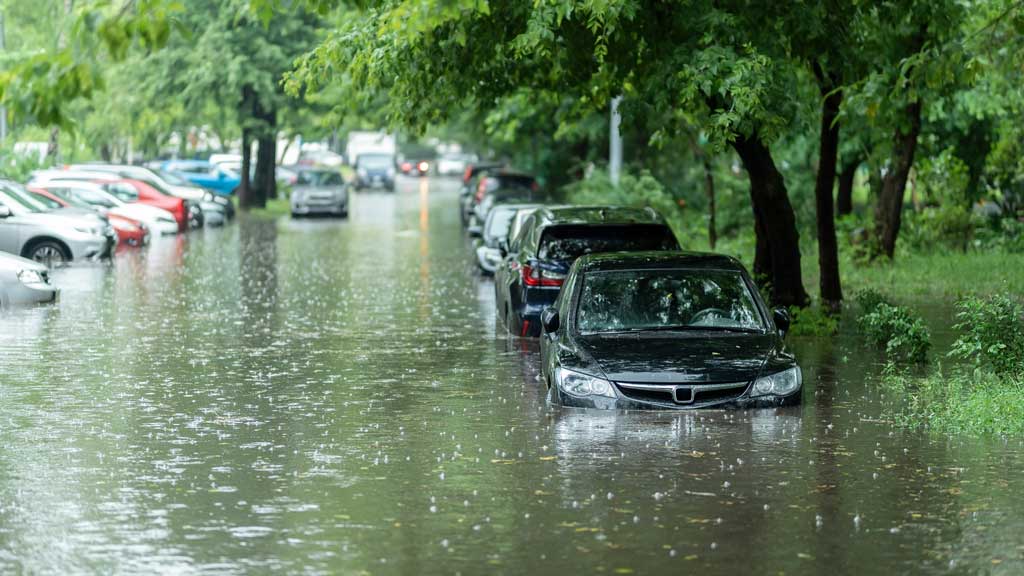
Flooding can strike suddenly in Trinidad & Tobago, especially during heavy rains and hurricane season. Wild flash floods have swept through parts of Trinidad with little warning, leaving cars stranded or submerged.

If you're worried about what happens to your car in a flood — and whether your insurance will help — you're not alone. In this article, we answer common questions about car flood insurance, explain how to protect your vehicle, and guide you on filing a claim after flood damage.

Does car insurance cover flood damage?

Only a comprehensive car insurance policy (with "special perils" for natural disasters) will cover flood or water damage to your vehicle. Basic third-party liability policies will not pay for flood-related damage to your car.

There is no separate "flood insurance" for cars. Flood damage is covered under comprehensive auto insurance. A standard third-party policy (the minimum required by law) covers injury or damage you cause to others, but it does not cover damage to your own car from floods or other perils. In other words, if you only have third-party insurance and your engine or interior is ruined by flood water, your insurer won't cover the loss.

'Car flood insurance' simply refers to the protection provided by the comprehensive coverage part of an auto policy. Comprehensive insurance covers damage to your vehicle from non-collision events, like natural disasters (floods, storms), fire, theft, or vandalism. To have flood damage covered, you must opt for a comprehensive motor insurance plan with special perils coverage (coverage for events like floods, hurricanes or earthquakes). Some insurers automatically include these perils in comprehensive policies (for example, GenAc includes flood coverage free for private cars), while others offer them as an add-on — so be sure to confirm your policy includes flood or "special perils" protection.

Comprehensive coverage is optional and costs more than basic third-party insurance. However, it's well worth it if you're concerned about flooding. Comprehensive insurance will pay to repair flood damage to your car or reimburse you for the car's value if it's beyond repair (a total loss). By contrast, with only a third-party policy, any flood damage to your vehicle comes out of your own pocket. In short, if you want peace of mind during Trinidad & Tobago's rainy season, make sure your car insurance is comprehensive with flood coverage included.

What happens to your car when you drive through flood water?

Driving through flood water can cause severe and often irreversible damage to your car. For example, water entering the engine air intake can lead to hydrolock — when water gets into the cylinders and the engine can't compress it, parts like pistons and rods can bend or break. This will stall your engine and potentially destroy it. Modern cars also have complex electronics, and water can short-circuit critical components like the engine control unit (ECU) and sensors, leading to erratic behaviour or permanent failure.

Even a seemingly shallow flood is dangerous. Just six inches (15 cm) of standing water can float a small car and cause you to lose control. Hidden potholes or debris under flood waters can also damage your tires, brakes, or suspension. Wet brakes lose friction, reducing stopping power.

And remember — if you only have third-party insurance, none of that damage is covered, leaving you to bear the full cost of repairs.

How do I protect my car from flood damage?

You can't always predict or prevent floods, but you can take steps to reduce the risk of flood damage to your car:

Stay aware of the weather and avoid flood-prone areas

If heavy rain or a flood warning is in effect, move your vehicle to higher ground or a safe garage. Don't park in low-lying spots or near rivers that might overflow. Most importantly, never drive through flooded roads — water depth is hard to judge and even a foot of water can make a vehicle float or stall your engine. It's always safer to turn around and find an alternate route.

Get comprehensive insurance coverage

The best financial protection against flood damage is a comprehensive car insurance policy. Comprehensive coverage pays for damage to your car from events like floods, storms, fire or theft. Adding comprehensive coverage to your auto policy ensures that if your vehicle does get flooded, your insurer will cover the repairs or reimburse you for the car's value (after your deductible/excess).

In regions like Trinidad, Jamaica, or Barbados, where tropical rains and hurricanes can strike, having comprehensive coverage with natural peril protection is a smart safeguard. It covers not only flood damage, but also other unexpected mishaps, giving you peace of mind that your car is protected no matter what.

Why Doesn't Every Insurance Policy Cover Water Damage?

The reason not all auto policies cover flood or water damage comes down to the type of coverage. Third-party only insurance — which is the basic, cheapest plan and the legal minimum — covers only damage or injury you cause to other people. It does not cover damage to your own vehicle, whether from a crash or a natural event like a flood. Many drivers in T&T opt for these basic policies to save on premiums, but the trade-off is zero coverage for your car's damage in incidents such as floods, fires, or theft.

On the other hand, comprehensive insurance is designed to cover your vehicle's losses. This is why comprehensive plans will pay for water damage (and other "acts of God"), whereas third-party plans will not. Essentially, third-party insurance exists to protect others from your mistakes — it won't help you with your own car's flood damage. Insurers price these policies much lower because they cover far fewer risks.

Comprehensive policies cost more because they cover a broader range of perils, including flood, hurricane or storm damage to your car. Not everyone purchases comprehensive coverage due to the higher premium, but if you want your car protected against water damage, comprehensive is the only option. A third-party policy alone will never cover flood or water damage to your vehicle.

How to File a Car Insurance Claim after a Flood

If your car is flooded, a timely and thorough insurance claim can get you on the road to recovery. Here are the steps to follow:

Contact your insurer immediately

Report the flood damage to your insurance company as soon as possible (via their claims hotline, website - Incident Report, or via telephone at 224-3622). Quick reporting is crucial. After a major flood, many people will be filing claims, so the sooner you file, the faster yours can be processed. Early notice also helps limit further damage, as the insurer may advise next steps.

Do not start the car

Attempting to start a flooded car can cause more damage, especially if water has entered the engine or electronics. Leave the vehicle off. If the car is in standing water, have it towed or moved to a dry, safe area (most comprehensive policies cover towing costs).

Document the damage and Submit your claim

Take clear photos or videos of your car's condition after the flood. Within your documentation, note how high the water reached (water line on the body, interior soaked, etc.). These records will play a critical role throughout the claims process — the more thorough the documentation, the better. Now that you have all the information required, and if you are a GENAC customer, you can log in to your GENAC account to submit your claim. Alternatively, and for third parties, you may visit our website, download the claim form and submit along with all the necessary documentation to claimsreportstt@genac.com or drop it at any one of our 8 conveniently located branches.

Mitigate further damage

If you can safely do so, start drying out the car's interior to prevent mold. Mop up standing water and ventilate the car (open windows, use fans). Do not reconnect the battery or test electrical systems until a professional checks the car. Removing floor mats and other wet items can help drying. Insurers expect you to take reasonable steps to prevent additional damage after the incident.

Work with the claims adjuster

Your insurance company will assign a claims adjuster to inspect the vehicle. They will assess the damage and estimate repair costs. Cooperate in scheduling inspection or taking the car to a recommended garage if asked. Based on the assessment, the insurer will determine if the car is repairable or a total loss. If repairs cost more than the car's value, the insurer will declare it a total loss (write-off).

In that case, the insurer will pay you the vehicle's insured value or market value (minus your deductible/excess) and take possession of the vehicle. If it's repairable, you'll receive payment (or direct repair arrangements) per your policy terms to fix the car.

Throughout the process, stay in touch with your claims representative and follow their guidance. Filing a flood claim can be stressful, but comprehensive insurance is there to handle exactly this kind of situation. By acting quickly and working with your insurer, you'll maximise the chance of a smooth claim and a fair payout for your flood-damaged car.

Comprehensive insurance, with Genac

Secure comprehensive car insurance from Genac, which includes free flood damage coverage for private cars in Trinidad & Tobago. Our local experts will guide you through your options, ensuring you drive confidently in any weather.

Contact Genac today for a free quote and personalised advice. Visit genac.com or call our local office to secure your coverage. Don't wait for the next storm—trust Genac, Trinidad & Tobago's leading car insurer, to keep you covered on every journey.

Get Flood Protection

Free flood coverage for private cars with GenAc

Get a Quote

Quick Facts

  • Third-party: No flood coverage
  • Comprehensive: Covers flood damage
  • GenAc: Free flood coverage included
  • Claims: Call 224-3622

Claims Process

  • 1. Contact insurer immediately
  • 2. Don't start the car
  • 3. Document all damage
  • 4. Submit claim online/email
  • 5. Work with adjuster

Frequently Asked Questions

Does car insurance cover driving through a large puddle or flooded streets?

If water from a large puddle or flooded road damages your car, it's treated as flood damage, and only comprehensive car insurance will cover it. For example, if you drive through a flooded street and your engine or electrical system is ruined by water, a comprehensive policy will pay for the repairs (subject to your deductible/excess). But if you only have third-party liability coverage, your insurance will not cover any of that damage.

Does car insurance cover water damage to an engine?

Yes, engine damage from water (such as hydrolock) is covered under the comprehensive portion of your car insurance policy. If you have comprehensive coverage, your insurer will pay to repair or replace your engine when it's damaged by a covered peril like flooding. This type of claim can arise if you drive into deep water and the engine ingests water, causing catastrophic failure.

Keep in mind: water can destroy an engine and often leads to the car being written off as a total loss. In that case, the insurer would pay you the vehicle's value rather than attempting an engine repair. If you only have third-party insurance, however, no part of water damage to your engine is covered — you'd be stuck with the full repair or replacement bill.

Do you need flood insurance to cover flood damage to your vehicle?

No, you do not need a separate "flood insurance" policy for your car. In auto insurance, flood damage is covered by comprehensive coverage on your standard car insurance policy. This is different from home insurance, where people sometimes buy separate flood insurance.

For your vehicle, as long as you have comprehensive coverage (with special perils for things like flood), that is your "flood insurance." You simply need to add comprehensive coverage to your auto policy; there is no standalone flood policy for cars. If you're worried about floods, talk to your insurer about including comprehensive coverage that covers natural disasters. This way, your car is protected from flood damage without any separate insurance.

How hard is it to repair a flood-damaged car?

Repairing a severely flood-damaged car is extremely difficult and often not cost-effective. Water can infiltrate almost every part of the vehicle — engine, transmission, electronics, interior — and cause hidden corrosion and damage. In fact, if a car has been submerged in muddy or salt water, critical components will start to rust from the inside, and engines and electronics can fail completely after water exposure.

These repairs are expensive and uncertain, which is why insurance companies often declare flood-damaged cars a total loss rather than attempt extensive repairs. Minor flood damage (say, wet carpets) can sometimes be cleaned and fixed, but if water reaches the engine or computer modules, the car's reliability and safety might never return to normal. In sum, fixing a flood-damaged car is usually very hard — it's often better for the insurer to pay out the car's value and for the owner to replace the vehicle, instead of trying to resurrect a water-ruined car.

Protect Your Car from Floods

GenAc includes free flood damage coverage for private cars. Get comprehensive insurance and drive with confidence during rainy season.

Get Your Free Quote

What To Do in a Car Accident: Step-by-Step Guide

What To Do in a Car Accident: Step-by-Step Guide

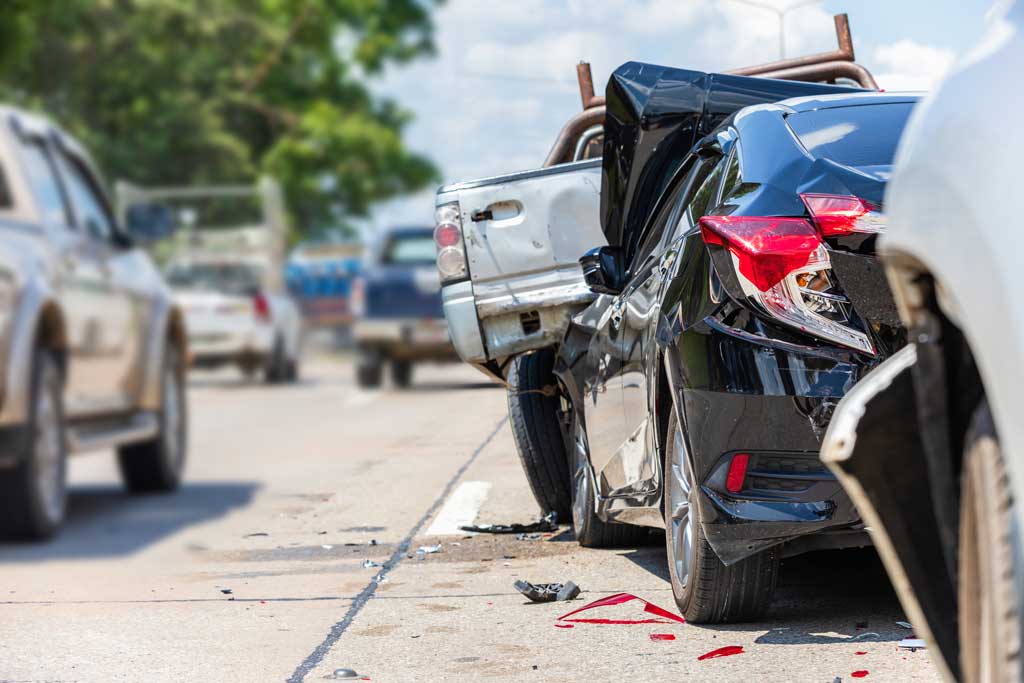
No one ever plans to be involved in a car crash. They’re sudden, and can lead to a broad range of long-term repercussions – including costly insurance hurdles. Knowing what steps you should take not only provides clarity and peace of mind but also shields you legally and financially.

If you have been involved in an accident or simply want to be prepared for the unexpected, consider the following nine steps.

Safety First

Immediately after a collision, safety is the top priority. Stay at the accident scene and remain calm while you assess what happened. Focus on preventing any further harm:

  • Move to a safe area: If your vehicle is drivable, carefully move it out of oncoming traffic to avoid secondary crashes. Turning on your hazard lights will also alert other drivers to slow down.
  • Check for injuries: Look over yourself and any passengers for injuries. If someone is hurt, do not move them unless they are in immediate danger of further injury. Provide basic first aid only if you are qualified to do so and it is safe.

2. Call the Police and Emergency Services

Once you have ensured everyone’s immediate safety, call for professional help without delay. If anyone needs medical attention, dial emergency services right away. Next, contact the police to report the accident, even if it seems minor. The law requires drivers to inform police of an accident within 24 hours.

Police officers will create an official accident report, which insurance companies and legal authorities will later rely on during claims or investigations. When speaking to the emergency dispatcher, clearly explain your location and any injuries so they can send appropriate assistance.

3. Exchange Information With Other Drivers

After alerting authorities, exchange essential information with the other driver(s). This ensures that you have what you need for insurance claims and reports:

  • Contact details: Full name, phone number, and address of each driver involved.
  • Driver and vehicle IDs: Each driver’s licence number and the licence plate (registration) number of every vehicle.
  • Insurance information: The name of each driver’s insurance company and their policy number.

Remember to communicate calmly. Be polite and factual during this exchange. Do not apologise or admit fault for the accident at the scene. Simply gather the facts; insurers or legal authorities will determine who is at fault later.

4. Document the Scene Thoroughly

Before moving any vehicles, document the accident scene as completely as possible. Good documentation will serve as vital evidence:

  • Take photos of damage: Take photos of all vehicles from multiple angles, focusing on the damage. Include close-ups of dents, broken parts, and each vehicle’s licence plate.
  • Capture the overall scene: Take wide shots showing vehicle positions, any skid marks or debris on the road, and nearby traffic signs or signals. These images preserve details about road conditions and how the collision occurred.
  • Note key details: Note the date, time, precise location, and weather conditions. Also, jot down a brief summary of how the crash happened while the details are fresh in your mind.

This evidence will help when you file an insurance claim, providing a clear record of the incident.

5. Secure Witness Info

After an accident, if there are any witnesses, gather their contact information immediately. Ask for their names, phone numbers, and addresses so that you or insurance investigators can contact them later if needed.

Witnesses are neutral third parties whose statements can provide an unbiased account of what happened, which may be invaluable for insurance investigations or legal disputes. Having witness testimonies on record helps strengthen your case by corroborating the events as you remember them.

6. Notify Your Insurance Provider Promptly

Contact your insurance provider as soon as it is safe to do so after the accident. Nearly all auto policies require you to report an accident immediately or within a short time frame. Prompt notification allows the insurer to start the claims process and helps prevent any delays or disputes. At GENAC, if you do not possess all the details, you can submit an incident report online at – Incident Details | General Accident to notify us of the accident.

Please be reminded to provide accurate details of what happened, including the date, time, location, and any police report number. Also mention any injuries or vehicle damage, and be ready to share photos or other documentation from the scene. Timely reporting and full disclosure will help your insurer guide you through the next steps.

7. File and Track Your Insurance Claim

Once you have informed your insurer of the accident, complete any required claim forms and submit all supporting documents to formally file your claim. You may sign up and/or login to your GENAC account – Login | General Accident and file your claim without even having to leave the comfort of home. Alternatively, you may come into any one of our branches to submit your claim.

Provide a clear, factual account of the incident along with copies of key evidence, including the police report, photographs of damage, and contact information of the other parties and witnesses.

Obtain a claim reference number and the contact details of the claims adjuster handling your case for future correspondence. Then, stay in regular communication with your insurance representative; follow up periodically to check on the claim’s progress and promptly respond to any additional information requests.

8. Understand the Repair or Settlement Process

Know what to expect once the insurance claim is underway regarding vehicle repair or compensation. Typically, the insurer will send a claims adjuster to inspect your car’s damage and review the evidence. Based on this inspection, they will determine if the car is repairable or a total loss. Following this assessment, the insurance company will explain the settlement or repair plan, taking into account your coverage limits, excess (deductible), and policy terms.

Make sure you understand whether your policy covers a rental car while your vehicle is in the shop for repairs. Also, learn how the repair estimate process works. For instance, some insurers may require an appraisal or multiple quotes before approving repairs. Being informed about these procedures will help you navigate the post-accident process without surprises.

9. Keep Records of All Related Costs

Preserve all documents and receipts related to the accident and its aftermath. A detailed financial record of these costs will help demonstrate your losses during the insurance claim. Key items to save include:

  • Medical bills and pharmacy receipts: Any expenses for emergency care, hospital visits, follow-up treatments, or medications.
  • Vehicle repair estimates and invoices: Quotes from body shops, mechanic bills, or any parts replacements.
  • Towing and storage fees: Receipts for towing your car from the scene or storing it if it’s not drivable.
  • Rental car or transportation costs: Costs for a rental vehicle or alternative transport while your car is in the shop for repairs.oa

Keep these records organised in one file for easy access. This documentation serves as proof of your accident-related expenses and will support your claim for reimbursement.

How General Accident Insurance Company Limited Can Help

General Accident can support you after a car crash. We provide motor insurance policies that cover repair costs from collisions, fire, theft, and similar incidents, while also protecting you against legal liability claims.

If you’re insured with us, filing an accident claim is straightforward: you can submit the details through our online portal, without tedious paperwork. With thousands of claims settled, our efficient claims process helps you get your car repaired and your expenses reimbursed, making post-accident recovery hassle-free.

Ready to find the right coverage? Get a quote from our team today.

Will Car Insurance Cover Windshield Replacement? What You Need To Know

Will Car Insurance Cover Windshield Replacement? What You Need To Know

You’re cruising down the Churchill-Roosevelt Highway when ping! – a pebble flies up from the truck ahead and leaves a spiderweb crack right in your line of sight. Or maybe after one of those heavy rainy-season downpours, you wake up to find a branch from the neighbour’s mango tree lying across your bonnet.

In Trinidad, with our mix of high-speed highways, winding backroads, and unpredictable weather, windscreen damage is a reality most drivers will face sooner or later. And when it happens, the big question is – will your insurance cover it?

Here’s a full breakdown of when you’re covered, what to expect, and how to handle a glass claim without stressing about your no-claims discount.

When Does Car Insurance Cover Windscreen Replacement?

Not all glass damage is treated the same under your car insurance. Whether you can claim for a broken or chipped windscreen depends on how the damage occurred, which policy you’re insured under, and any additional benefits you’ve opted for.

Here are some common situations in which you may be covered:

  • Accident damage: If your windscreen cracks during a collision, your comprehensive insurance can help pay for a repair or replacement.
  • Storm or debris damage: Think flying zinc sheets, coconut branches, or other debris during a rainy-season storm. Most comprehensive policies that include “Acts of God” or “Special Perils” will cover this.
  • Vandalism: A smashed window from malicious damage is generally covered under comprehensive insurance.
  • Road debris (e.g., stone impact): Stones from roadwork, loose gravel on the Uriah Butler Highway, or even debris from overloaded trucks can cause cracks or chips – and these are often covered under comprehensive policies, sometimes without affecting your NCD.

Key points to note for Trinidad:

Only comprehensive insurance includes windscreen damage cover; third-party or third-party fire and theft plans typically do not.

Most comprehensive motor policies in Trinidad include windscreen coverage between TT$5,000 – TT$10,000, with the option to increase this for a small extra premium.

Many insurers allow one or two windscreen claims per policy year without affecting your NCD, but limits vary so always check your policy.

Comprehensive Coverage And Windscreen Damage

Windscreen repair or replacement is typically covered under comprehensive insurance, not collision or third-party liability. Comprehensive coverage is designed to protect your vehicle from non-collision-related incidents like:

  • Theft or vandalism
  • Natural disasters common to Trinidad, such as flooding, tropical storms, and falling trees during the rainy season
  • Fire or explosion
  • Broken glass

If your policy includes comprehensive cover, chances are windscreen damage is included, but you’ll want to check your policy documents or speak with your insurer to confirm.

Full Glass Coverage Add-Ons

Some insurance providers offer full glass coverage as an optional add-on. This specific cover may allow you to repair or replace your windscreen without paying an excess/deductible, even if the damage falls under comprehensive insurance.

This can be especially useful if you drive regularly along busy highways with heavy truck traffic, through road construction zones, or in flood-prone areas where floating debris can strike your vehicle.

Types of Liability Insurance

GenAc offers four main types of liability insurance:

  • Public Liability Insurance
  • Products Liability Insurance
  • Employers’ Liability Insurance (commonly referred to as Workmen’s Compensation)
  • Professional Indemnity Insurance


Here is what you need to know about each one.

Do You Have To Pay an Excess/Deductible?

Your excess (or deductible) is the amount you’ll need to pay out of pocket before your insurance kicks in. When it comes to windscreen repairs:

  • Repairs for small chips may be covered in full with no deductible.
  • Full replacements often require a deductible, depending on your policy.
  • If you’ve added full glass coverage, your deductible may be waived altogether.

The excess for windscreen claims are sometimes lower than your regular collision excess, but confirm with your insurer.

Filing a Claim for Windscreen Damage

Here’s a step-by-step guide to help you make a windscreen claim quickly and easily:

  • Document the damage: Take clear photos of the crack or chip, and note the date and circumstances of the incident.
  • Contact your insurer or broker: Reach out to confirm your coverage and excess.
  • Submit a claim: Depending on your provider, this may be done online, over the phone, or via a mobile app.
  • Choose a repair provider: Some insurers in Trinidad work with authorised glass repair companies, while others let you choose your own.
  • Complete the repairs: Schedule your appointment and have the repair or replacement done..
  • Pay your excess (if applicable): The shop may collect this amount directly from you.

Once the claim is processed and approved, your insurer will cover the rest.

Repair vs. Replacement: What Insurance Will Cover

Not every chip means a full replacement is necessary. Most insurers follow these general rules:

  • Minor chips or cracks (less than a few centimetres and not in the driver’s direct line of vision) may be repaired.
  • Large cracks, deep chips, or multiple damages often require a full windscreen replacement.

Most insurance companies in Trinidad, will choose the safest, most cost-effective option and you’ll need to ensure the repair meets the standards for roadworthiness tests.

Will My Rates Go Up After a Windscreen Claim?

In most cases, a single windscreen claim will not affect your premium. That’s because glass damage is considered a no-fault claim, especially when caused by debris, weather, or vandalism.

However, if you’re filing frequent claims  or combining them with other types of damage, your insurer may reassess your risk profile at renewal time.

Most insurers in Trinidad also confirm that windscreen-only claims won’t impact your no-claims discount, as long as you stay within the policy’s allowed claim limit.

Windscreen Damage Not Covered by Insurance

There are a few cases where your insurer may decline to cover windscreen repair or replacement:

  • Pre-existing damage not reported or repaired previously.
  • Normal wear and tear over time.
  • DIY or unapproved repairs done outside of authorised providers.
  • Driving without a valid insurance policy at the time of damage.

Local note: Driving with a badly cracked windscreen in Trinidad can be considered an offence under road traffic regulations, and may cause you to fail inspection.

FAQs About Windscreen Insurance Claims

Can I use my own repair shop?

In many cases, yes, but check if your insurer has preferred providers to streamline your claim.

What if I have more than one chip?

Multiple chips may still be eligible for repair if they’re minor. Extensive damage may require full replacement.

How long does it take to repair or replace a windscreen?

Repairs typically take less than 30 minutes. Replacements can take a few hours, but if glass has to be imported into Trinidad, it could take several days.

Can I drive with a cracked windscreen?

It’s not advisable, and in Trinidad, it could land you in trouble with the police plus it’s a safety risk. Always repair damage as soon as possible.

Drive Smart. Stay Covered.

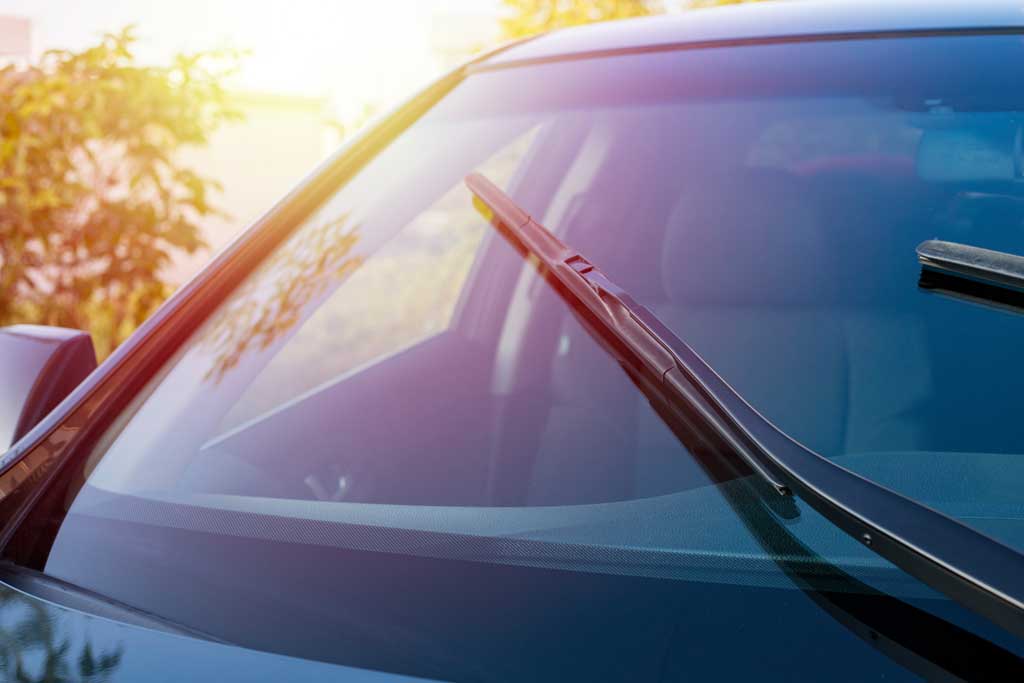
Your windscreen is a key part of your vehicle’s safety system, protecting you from the elements and supporting airbag deployment in a crash. Don’t wait until a small crack becomes a big problem.

If you’re not sure what your policy covers, get a quote from our team today. A quick conversation could save you money, protect your no-claims discount, and keep you driving safely — rain or shine.

What Are the Main Parts of an Insurance Policy?

What Are the Main Parts of an Insurance Policy?

Whether you’re insuring your car, home, or business in Trinidad & Tobago, one thing is certain: understanding your insurance policy matters.

For many of us, insurance documents can feel long and technical but knowing how to read them is essential. Why? Because when the time comes to file a claim or renew your coverage, knowing what’s in your policy could be the difference between peace of mind and unexpected out-of-pocket costs.

In this post, we’ll walk you through the main parts of an insurance policy, explain what each section means, and share practical tips for reviewing your coverage with confidence.

1. The Policy Schedule

The schedule is the place where the policy is made personal and specific to the insured. The schedule is like your policy’s snapshot. It summarises all the key information you need to know at a glance.

What you’ll find here:

  • Your name and address
  • Policy number
  • Coverage types and limits
  • Excess (or deductibles)
  • Policy period
  • Premium amount

Why it matters:
This is your quick-reference guide. If you ever need to confirm your coverage, report a claim, or verify what you’ve paid for, the declarations page is your starting point.

2. Recital Clause

The recital clause, or preamble, sets the scene for what follows in the policy by referring to the two parties, insured and insurer (but not by name), coming together to form the contract by which the insurer, in return for the premium, undertakes to indemnify (compensate for losses or damages) the policyholder (insured) in accordance with the cover detailed in the policy. This covers the first three points in your policy document.

Why it matters:

If there’s ever a dispute, the recital clause helps a court or arbitrator understand the purpose and scope of the policy. It’s not enforceable on its own, but it helps interpret the rest of the contract and provides legal clarity. This can be especially important in claims scenarios where coverage is questioned.

3. Operative Clause

  1. The operative or insuring clauses describe the scope of the cover in detail and form the heart of the policy. There may be just one clause outlining cover or, more commonly, a number of such clauses – as in the case of motor, household and liability policies – each dealing with a different aspect of the insurance and often containing exceptions which are specific to that operative clause.

What it includes:

  • The scope of coverage
  • Covered risks or “perils” (e.g. fire, theft, collision)
  • The obligations of the insurer

Why it matters:
It defines the contract between you and the insurance company. When a loss occurs, this section helps determine if your situation qualifies for a payout.

4. Exclusions

  1. The operative or insuring clauses describe the scope of the cover in detail and form the heart of the policy. There may be just one clause outlining cover or, more commonly, a number of such clauses – as in the case of motor, household and liability policies – each dealing with a different aspect of the insurance and often containing exceptions which are specific to that operative clause.

What it includes:

  • The scope of coverage
  • Covered risks or “perils” (e.g. fire, theft, collision)
  • The obligations of the insurer

Why it matters:
It defines the contract between you and the insurance company. When a loss occurs, this section helps determine if your situation qualifies for a payout.

5. Conditions

The conditions section outlines your responsibilities as the policyholder.

These are the rules you agree to follow in order for coverage to apply.

Examples of common conditions:

  • Reporting a claim within a certain timeframe

  • Providing truthful information

  • Maintaining insured property (e.g. regular servicing for your car)
  • Cooperating with investigations


Why it matters:
Failure to meet the conditions of your policy could result in a denied claim even if the event itself was covered. Always read this section carefully. When in doubt make a call to your GenAc representative, we are always happy to help.

6. Definitions

Insurance providers know that customers the terms used during the insurance process can be daunting. Policies are full of specific terminology, and the definitions section ensures everyone’s speaking the same language.

What you’ll find:

  • Definitions of key terms (e.g. “insured,” “accident,” “premium”)
  • Clarification of words with special legal or policy meanings

Why it matters:
A single misunderstood word can create confusion. For example, the term “accident” might have a narrower meaning than you expect. This section eliminates guesswork and keeps you informed.

Why These Sections Matter

Each section plays a unique role in protecting your interests:

  • The schedule gives you the overview

  • The operative clauses tells you what’s covered

  • The exclusions warn you about what’s not

  • The conditions show you your responsibilities

  • The definitions help you understand the fine print

Real-Life Scenario:

Imagine you’ve been in a car accident. You check your schedule and see that you have comprehensive coverage. You go to the operative clauses to confirm that collision damage is covered. Then you check the exclusions, no mention of denying coverage for your type of accident. You file your claim promptly (as outlined in the conditions) and refer to the definitions to understand how “damage” is classified. That’s a well-informed claim process.

How to Read and Understand Your Policy

Here are a few tips to make reviewing your policy easier:

  • Start with the policy schedule for a quick summary
  • Highlight any unfamiliar terms and refer to the definitions
  • Review exclusions carefully so you’re not caught off guard
  • Make note of key conditions that could affect your claims
  • Ask questions – GenAc TT is always here to help!

Additional Components You Might See

Some policies include endorsements or memoranda, these are custom add-ons that modify your base coverage. They might increase limits, add benefits (like roadside assistance), or remove certain exclusions.

While the six sections above are standard, some complex policies (especially in commercial insurance) may include additional parts. Always review the full document to ensure complete understanding.

Understanding your insurance policy doesn’t have to be intimidating. By focusing on these six  key sections, you’ll be better prepared to make informed decisions and handle any future claims with confidence.

At Genac TT, we believe in transparency and customer empowerment. If you’re ever unsure about your policy or want help reviewing it, our team is just a call away.

Contact us today or visit www.genac.com to learn more.

Liability Insurance: A Complete Guide for Businesses

Liability Insurance: A Complete Guide for Businesses

If you’re a business owner, you may have a checklist of must-haves for your business. You may aim for a convenient location, a loyal customer base, consistent sales, etc. But do you have liability insurance on your list? You’ll need liability insurance if you want to protect your business and reduce the risk of financial loss from accidents to third parties on your premises. Here is your complete guide to liability insurance for businesses.

What is Liability Insurance

Liability insurance indemnifies the Insured against the financial consequences of accidents or events to third parties for which he is legally liable. In other words, if you or your business has liability insurance, you’re protected in the event of injury or damage to a third party’s property.

Here is an example, let’s say you have a brick-and-mortar store, and a customer comes to visit. If the customer slips, falls and harms themself, it’s possible that they can sue your business to recoup their losses. However, if you have liability insurance for the business, then you may get compensation to cover legal, medical and other fees associated with this incident.

All you’d have to do is submit your claim.  If your claim is approved, you can take care of the relevant expenses without harming your business financially. 

What Does Liability Insurance Cover?

Liability insurance covers damages done to a third party. The type of damages covered depends on the type of liability insurance you have.

For example, product liability insurance will protect your business in case of injury caused by a product defect, but not a slip and fall at the business location.

What Liability Insurance Does Not Cover

Liability insurance does not cover injury to you or your place of business. For example, if your business is flooded due to a hurricane, liability insurance will not cover the damage. Fortunately, other insurance packages can keep you covered in the case of flood, hurricane and other perils.

Types of Liability Insurance

GenAc offers four main types of liability insurance:

  • Public Liability Insurance
  • Products Liability Insurance
  • Employers’ Liability Insurance (commonly referred to as Workmen’s Compensation)
  • Professional Indemnity Insurance


Here is what you need to know about each one.

Public Liability Insurance

As the name suggests, public liability insurance is designed to protect your business from claims from the general public. Therefore, public liability insurance protects you against claims of personal injury or property damage that a third party suffers, or claims to have suffered as a result of your actions.

For example, if someone who had a slip and fall on your business’ premises sues your business for medical expenses, public liability insurance could offset the costs for you.

General Accident’s public liability policy is perfect for you if you don’t want to pay legal or court costs for claims brought against your business. Public liability insurance at General Accident also covers incidents that occur in your workplace, as well as incidents at other locations.

Product Liability Insurance

If you’re a business that manufactures, wholesales, distributes, and retails a product, you’ll want to purchase product liability insurance.

Product liability insurance can protect your business against claims of personal injury or property damage caused by products sold or supplied through your business. This includes damage and injury caused by a defective product.

General Accident’s product liability insurance plan safeguards your business by providing cover against such claims for personal injury and property damage, including legal defence costs.

Employers' Liability Insurance

We know that you take workplace safety seriously. However, no matter how many safeguards you have in place, there is still a chance that your employees could get injured on the job.

Even if your business is not at fault for an employee’s injury, you may still face the cost of legal action taken against you.

Employers’ liability insurance or workmen’s compensation protects your business against claims made by employees who have been accidentally injured or become ill as a result of working for you or in the course of employment. Employers’ liability insurance can also be useful if a claim is submitted by the family of an employee who was killed while working for you.

The policy covers compensation costs, legal fees and medical expenses associated with these claims.

Who Needs Liability Insurance?

Some form of liability insurance is legally required for business owners in Trinidad due to the Workmen’s Compensation Act 1960. Employers’ liability insurance, sometimes called workmen’s compensation, protects your business if your employee is injured, killed or becomes ill while working for you.

While other forms of liability insurance may not be legally required, we recommend all business owners invest in them. Liability insurance can save your business a lot of money in the long run and serves as a safeguard for protecting your business.

We also encourage you to explore other forms of insurance to further protect your business. Remember, liability insurance does not cover everything.

Why Liability Insurance is a Smart Investment

Liability insurance is a smart investment for any business because it’s an important safeguard. Not only will your business be legally compliant, but you can rest well knowing that your business will be protected in the event of lawsuits made by customers, the general public and employees. If you’re interested in protecting the business you worked so hard to grow, contact us. Together, we can protect one of your most important assets.

A Complete Guide to Home Owner’s Coverage

A Complete Guide to Home Owner’s Coverage

Disasters and accidents can strike without warning, leaving homeowners facing costly repairs and financial uncertainty. Without proper protection, recovering from such events can be overwhelming. That’s why having a solid home insurance policy is essential. Home insurance provides financial security by covering damages to your home and belongings, protecting you from liability claims, and even covering temporary living expenses if your home becomes uninhabitable. Ready to learn exactly how GenAc can protect your home from disaster? Here’s your complete guide to home insurance coverage.

A standard home insurance policy includes four key coverages: dwelling coverage, which pays for repairs or rebuilding due to disasters like fires or hurricanes (excluding floods and earthquakes); personal property coverage, which protects belongings like furniture and clothing from theft or damage; liability protection, which covers lawsuits for injuries or property damage caused by you, your family, or pets; and additional living expenses (ALE) coverage, which helps with alternative accommodation in the event your  home becomes unlivable following an insured peril.

Dwelling Coverage

Dwelling coverage is part of a standard homeowners insurance policy that helps protect the physical structure of your home. This can include any structures permanently attached to your home, like a garage. Your coverage limit is usually based on the estimated cost to rebuild the home if a covered loss occurs. For covered losses, dwelling coverage can pay to rebuild or repair your home’s physical structure, permanent fixtures, and certain appliances.

So, what perils are typically covered under the dwelling part of a homeowner’s policy?

For covered losses, dwelling coverage typically covers damage from:

  • Fire/smoke
  • Lightning strikes
  • Windstorms
  • Hail
  • Explosion
  • Vandalism and theft
  • Falling objects
  • Damage from a motor vehicle or aircraft
  • Dwelling Coverage typically does not cover damage from
  • Floods
  • Earthquakes
  • Sewer/water back-ups
  • Damage from the weight of ice, sleet, or snow

Your homeowners insurance policy can also cover structures on your property that are not physically part of your house, such as a detached garage, storage shed, or gazebo.

However, your home insurance policy  doesn’t cover:

  • Normal wear and tear
  • Some water damage
  • Damage caused by pests

Content Coverage

Content coverage is included in your homeowner’s insurance policy.

The insurance coverage safeguards your belongings, such as personal property you may use outside your home. Common items covered as content include:

  • Furniture
  • Clothing
  • Electronics

This means if damage occurs caused by an insured peril, you will receive the actual cash value of covered personal property that needs replacement due to a covered loss.

If you rent out part of your home, the homeowner’s insurance policy will not cover the tenant’s personal property. They must purchase a renter’s insurance policy to cover their possessions. If your home is under construction, coverage under Personal Property does not extend to vacant or unfinished buildings.

High-value items and endorsements

Most home policies impose a dollar limit on coverage of the value of a particular personal item. These are called sub-limits. However, certain high-risk items, such as furs and jewelry, may have a more excellent value than their sub-limit.

The good news is that you can purchase additional coverage to insure valuable personal items for their entire worth. High Value items must be supported by valuations and are rated separately..

Examples of High-Value Items

  • Jewelry
  • Furs
  • Fine art and antiques
  • Stamps and other collectibles
  • Liability Protection

Personal Liability Coverage

With your GenAc homeowner’s insurance policy, you also gain access to Personal liability insurance. This provides financial protection if you or members of your household are found at fault or negligent for bodily harm to someone else or damage to someone else’s property. A liability insurance layer is also part of most renters’ policies.

Some examples of situations that would be covered:

Accidents on your property: If a visitor slips on an icy step or gets bitten by a pet

Accidental damage to someone else’s property: If you back into a vehicle in a parking lot

Injuries caused by your pets or family members: If your child breaks a neighbor’s window with a baseball.

Most insurance policies limit ALE benefits, which may be a maximum dollar amount or a specific time frame, i.e., 20% of your dwelling coverage or 12 months of coverage. Reading your policy to understand the limits and how long your ALE coverage will last is extremely important. ALE coverage is essential in helping the policyholders cover additional living expenses when the home is rendered uninhabitable due to a covered loss. Understanding your ALE coverage, how to properly file a claim, and the policy limits can make the process less painful during a traumatic time. If in doubt about anything, have your insurance company explain.

Home insurance does not typically cover certain types of damage, including the following:

  • Maintenance: Home maintenance, such as repairs caused by wear and tear, is not covered under home insurance.
  • Pests: Infestation by rodents or insects is excluded unless pests destroy your property to the point where it causes a covered loss, such as a fire.
  • Mold: Mold is excluded unless it results from a covered occurrence, such as stormwater damage.
  • War: Damage caused by war, civil unrest, or nuclear hazards is excluded.
  • Government Action: Government destruction is not covered.
  • Intentional Loss: Intentional loss to your property is excluded.
  • Neglect: Neglect-caused claims, such as undiscovered leaks, are generally denied.

Understanding the details of home insurance coverage protects your property and belongings. From dwelling coverage, which covers the property of your home, to personal property coverage, which covers your belongings, there are numerous areas of your policy that you can utilize to prevent sudden losses. Just be sure to exclude such things as earthquakes, floods, and maintenance, and tack on additional coverage such as earthquake or flood insurance if necessary. And coverage like ALE and liability protection comforts you during an emergency.

By reviewing your policy, knowing your coverage limits, and speaking with your insurer, you can be as prepared for the unexpected as possible and assured that you’re protected when it matters most.

Best Cars for New Drivers – The Importance of Choosing the Right First Car for New Drivers

Best Cars for New Drivers

The Importance of Choosing the Right First Car for New Drivers

Buying your first car is a thrilling milestone—one that brings both freedom and responsibility. While the excitement is undeniable, smart planning is essential. From safety and affordability to fuel efficiency and reliability, every detail matters. You’ll also need to factor in insurance and maintenance costs to avoid unexpected expenses. By researching a vehicle that aligns with your lifestyle and budget, you can make a well-informed choice, ensuring not just a great ride but a sound investment in your future.

Safety is paramount, especially for new or younger drivers. New drivers are more prone to accidents due to their inexperience. Therefore, safety should be a top priority. Cars with robust safety features such as automatic emergency braking, blind-spot detection, lane departure warnings, and stability control can provide additional protection. Additionally, a car that has performed well in crash tests would be a good choice. Vehicles that are too small might not provide enough protection in a collision, while vehicles that are too large can be challenging for a new driver to handle. Look for essential safety features such as: 

  • Anti-lock brakes (ABS)
  • Electronic stability control (ESC)
  • Traction control
  • Advanced driver-assistance systems (ADAS) for added protection

Affordability and Insurance Costs: Key Considerations When Buying a Car

When considering the purchase of a vehicle, it’s crucial to think beyond the initial price tag. While the upfront cost of a car is an important factor, ongoing expenses such as fuel, maintenance, and insurance can significantly impact your budget over time. A holistic approach to vehicle ownership ensures you don’t stretch yourself financially. It helps you make an informed decision that is both practical and sustainable in the long run.

Setting a Realistic Budget

A good rule of thumb when buying a car is to allocate no more than 10% of your monthly income to transportation costs, which includes your car payment, insurance, fuel, and maintenance. For example, if you earn $3,000 per month, your total transportation expenses should ideally be under $300. This ensures that you aren’t overextending yourself and have enough room in your budget for other essential expenses like rent, food, and savings.

Additionally, if you have existing debt, such as student loans or credit card debt, it’s crucial to factor this into your car-buying decision. A larger debt load can make it harder to afford a car, especially if it results in high interest rates for loans or car payments. Evaluating your current financial obligations will help you determine the most affordable car for your situation.

The Role of Your Credit Score

Your credit score affects your vehicle loan’s interest rate, with a higher score leading to lower payments and overall loan costs. A lower score may result in higher rates, increasing monthly payments, and total expenses.

Insurance Costs: A Major Factor

Another essential cost to consider when purchasing a car is insurance. Insurance premiums can vary significantly depending on several factors, including your age, driving history, location, and the type of car you’re buying. Younger drivers or those with a less-than-perfect driving record tend to face higher premiums, as insurance companies view them as higher-risk drivers. However, your premiums should decrease over time as you gain more experience and maintain a clean driving record.

The make and model of the car you choose also play a role in determining your insurance premiums. High-performance or luxury vehicles often come with higher insurance rates because they are more expensive to repair or replace in the event of an accident. Conversely, more affordable vehicles with lower repair costs tend to have lower premiums.

Where you live can also significantly impact your insurance rates. If you live in an area with high traffic or crime rates, your premiums may be higher because of the increased likelihood of accidents or theft. On the other hand, rural areas typically have lower premiums due to less traffic and fewer crime incidents.

Maintenance and Fuel Costs

In addition to insurance, it’s essential to consider the long-term maintenance and fuel costs associated with your car. Some vehicles, while cheaper upfront, may have higher maintenance costs due to the complexity of their parts or the frequency of required repairs. Researching the reliability and maintenance history of the vehicle you’re interested in can help you avoid unexpected costs down the road.

Fuel efficiency is another consideration that can greatly affect your budget. While some cars may have a lower purchase price, their fuel consumption could be significantly higher, leading to greater long-term costs. Opting for a vehicle with good fuel economy can help reduce your monthly expenses and contribute to a more affordable overall ownership experience.

Fuel-Efficiency

For a new driver looking to get the most out of their first car, understanding why fuel-efficient driving matters can lead to long-term savings, a smoother driving experience, and a positive environmental impact.

Lower Fuel Costs

Simple driving changes can make a significant difference in fuel costs. By avoiding rapid acceleration, speeding, and unnecessary idling, you can lower your fuel consumption, which adds to actual savings, especially if you drive long distances regularly.

Extended Vehicle Longevity

Fuel-efficient driving habits, such as smooth acceleration and braking, reduce wear on vital car components like the engine, brakes, and tires. By minimizing stress on your car’s systems, you’re prolonging its lifespan and reducing the likelihood of costly repairs and premature replacements.

Reduced Environmental Impact

By driving more efficiently, you’re consuming less fuel, reducing emissions. This is crucial for reducing your car’s environmental footprint and contributing to cleaner air. It helps decrease the harmful gases released into the atmosphere, including CO2, which is a major contributor to climate change.

Increased Safety

Fuel-efficient drivers tend to adopt safer driving behaviors. By maintaining steady speeds, increasing following distances, and anticipating stops, you give yourself more time to react to changes in traffic and road conditions, reducing the risk of accidents. The result is a smoother, more controlled driving experience that benefits you and others on the road.

Maneuverability

Maneuverability is key in determining how easily a car handles various driving conditions. A well-designed vehicle should navigate curves and tight turns smoothly, offering responsive steering and stability. Acceleration is also important, ensuring seamless merging onto highways without hesitation or lag.

Parking ease is another crucial aspect—does the vehicle fit comfortably in standard parking spaces? Can it be parked effortlessly in crowded lots? Parallel parking should be straightforward for urban driving, with good visibility and steering precision. The front-end clearance is also important—does the bumper sit low enough to scrape against parking curbs?

In tight spaces, a vehicle’s turning radius determines whether a three-point turn can be executed efficiently. Compact cars tend to excel in these situations, while larger vehicles may require more effort. Overall, maneuverability affects daily driving convenience, making it an essential consideration when choosing a car.

Top 10 Cars for New Drivers in 2025

  1. 2025 Toyota Corolla | $23,310 USD
    The Toyota Corolla is a practical, fuel-efficient car available in sedan and hatchback styles. While the base model may feel cramped and lacks advanced tech, it offers a comfortable ride and great fuel economy, making it one of the best value propositions.
    Pros: Comfortable ride, good fuel efficiency
    Cons: Cramped interior, outdated tech
    Fuel Economy: 32/41 mpg

  2. 2025 Nissan Kicks | $23,220 USD
    The redesigned Nissan Kicks offers a sleek exterior, a new engine, and standard driver assistance features. Though it lacks some features of more expensive models, it provides a higher driving position than many small cars, making it appealing for those who prefer an SUV-like experience.
    Pros: Stylish, strong engine, many driver aids
    Cons: Limited features in the base model, no hybrid option
    Fuel Economy: 31/36 mpg

  3. 2025 Volkswagen Jetta | $23,220 USD
    The Jetta provides good fuel efficiency and a spacious back seat. However, its updated styling and interior don’t significantly improve its performance or fuel economy compared to previous models.
    Pros: Spacious back seat, affordable price
    Cons: Lower fuel economy, subpar driving dynamics
    Fuel Economy: 29/42 mpg

  4. 2025 Kia K4 | $23,145 USD
    With bold styling and ample interior space, the Kia K4 offers good value. However, its engine performance doesn’t match that of its more dynamic competitors, such as the Honda Civic.
    Pros: Stylish design, spacious interior
    Cons: Underwhelming engine performance
    Fuel Economy: 30/40 mpg

  5. 2025 Hyundai Elantra | $23,025 USD
    The Hyundai Elantra stands out with its stylish exterior and great safety features. While its base engine is underpowered, the Elantra offers a solid blend of value, safety, and fuel efficiency.
    Pros: Great safety ratings, good value
    Cons: Slow engine, some cost-cutting in the interior
    Fuel Economy: 32/41 mpg

  6. 2025 Nissan Sentra | $22,730 USD
    The Nissan Sentra offers a stylish design and strong safety features. However, its handling is mediocre, and rear passenger space is tight compared to rivals.
    Pros: Strong safety suite, stylish
    Cons: Mediocre handling, small rear seats
    Fuel Economy: 30/40 mpg

  7. 2025 Hyundai Venue | $21,795 USD (est)
    The Venue is the cheapest SUV Hyundai offers, but it feels cheap inside with sluggish acceleration. Despite its compact size, it’s a great option for city driving and tight parking spaces.
    Pros: Compact size, low price
    Cons: Underpowered, basic interior
    Fuel Economy: 29/33 mpg

  8. 2025 Kia Soul | $21,665 USD
    The Kia Soul offers ample interior space and a refined driving experience. While its engine is not fast, the Soul stands out for its unique design and practicality.
    Pros: Spacious interior, good value
    Cons: Limited engine performance,
    Fuel Economy: 27/33 mpg

  9. 2025 Chevrolet Trax | $21,495 USD
    The Chevrolet Trax offers improved design and solid driving performance for its low price. However, its fuel economy is only average, and it lacks the sportiness of some rivals.
    Pros: Stylish design, good value
    Cons: Average fuel economy, lacks sportiness
    Fuel Economy: 28/32 mpg

  10. 2025 Nissan Versa S (Manual) | $18,330 USD
    The Nissan Versa is the most affordable new car available for 2025, offering good fuel economy and a large trunk for its class. It’s basic but comfortable, ideal for those seeking a low-cost option.
    Pros: Low cost, good trunk space
    Cons: Slow acceleration, loud cabin
    Fuel Economy: 27/35 mpg

    These vehicles are all excellent choices for new drivers seeking an affordable, practical, and fuel-efficient car. While each car has pros and cons, they all offer good value, ensuring first-time car buyers can find a model that fits their needs and budget.

Insurance Considerations

  1. Motor vehicle insurance is designed to protect against loss or damage arising from vehicle use, including third-party risks. Insurance providers offer various motor insurance policies to meet diverse consumer needs. These policies typically fall into two main categories: comprehensive and third-party coverage, with some policies also covering fire and theft.

    Comprehensive insurance covers physical loss or damage to your vehicle caused by events such as accidents, fire, theft, and even civil disturbances. It also includes third-party liability, as required by law. The specific features and benefits of comprehensive insurance may vary between providers, so it is essential to understand what is included in the policy. Some insurers may offer additional coverage options, like protection against natural disasters, for an extra premium.

    Third-party insurance, on the other hand, is mandatory under the Motor Vehicle Insurance (Third Party Risks) Act, and it covers liability for damage or injury caused to others while using your vehicle. There is also the option of a full third-party fire and theft policy, which includes fire and theft coverage in addition to third-party liability but does not cover damage to your vehicle. Understanding the different types of motor insurance and their specific terms can help you select the best coverage for your needs.

What is Proximate Cause in Insurance? Understanding Its Role in Loss and Liability

What is Proximate Cause in Insurance? Understanding Its Role in Loss and Liability

The Cambridge Dictionary defines comprehensive insurance as insurance that financially protects any other vehicles and people involved in a car accident with you and yourself.

If you have an insurance policy or thinking about getting one, you must understand the term, ‘proximate cause’. If you’re unfamiliar with the term or how it relates to your insurance policy, that’s where we come in. Let’s dig into what ‘proximate cause’ means in insurance, its role in loss and liability, and what that means for you

What is Proximate Cause in Insurance and Why is it Important?

According to the Cambridge Dictionary, the term proximate cause is something that is considered to be the direct cause of damage, loss, or injury.

Examples of proximate causes are:

  • Fire
  • Flood
  • Lighting
  • Earthquake

Knowing the proximate cause of your loss is important for several reasons:

Firstly, without knowing the proximate cause, your insurer cannot know if your claim is valid or not. Therefore, the proximate cause determines whether or not you’ll be compensated for your damage, loss or injury or in the case of a motor accident, it determines who is the liable party.

For example, if your property sustained damages primarily from a covered peril, chances are your claim will be granted. On the other hand, if your property was damaged primarily because of an uncovered peril, you may not be granted your claim.

In addition, knowing the proximate cause can help you avoid lengthy disputes and help you get the compensation you deserve.

What is the Difference Between Proximate and Remote Causes

Remote causes are anything that indirectly causes damage, loss, or injury. A remote cause usually happens before the event that caused damage, loss or injury. Meanwhile, proximate causes refer to events that are the primary reason for the damage, loss, or injury.


For example, let’s say you left your window or door open during a hurricane. Rain and wind enter the house and damage some of your furniture. Even though the open window and door contributed to the damage, they will likely be considered remote causes. The proximate cause in this scenario is the hurricane.


Your insurer is unlikely to account for the remote causes and will focus on the proximate ones when assessing your claim.

Common Scenarios and Real-Life Examples of How Proximate Cause is Applied to Insurance

Let’s say there is a house fire caused by lightning that destroys your house and furniture. If fire is a covered peril and lightning is not an excluded peril, chances are you’ll get compensated for the damage or loss caused by this fire.

On the other hand, let’s say your insurance policy excludes damage caused by lightning, floods, or earthquakes, but one of them caused the fire. In that case, it’s unlikely that you would be compensated for the damage or loss as a result since the proximate cause would have been an excluded peril.

In the case of property insurance, we recommend getting all commercial risks covered and comprehensive motor insurance since these would offer you more protection. However, regardless of your policy, you should check your insurance policy to be clear on what is covered and what isn’t. If you’re unsure or have any questions, contact your insurance provider.

In case of a motor vehicle accident, let us say one person’s vehicle was rear ended by another and pushed into a third vehicle.  The person who caused the initial collision is the proximate cause, and this motorist’s insurer is, therefore, responsible for paying for the damage to all the parties involved. The important point is that there was no break in the chain of events which resulted in the accident and that the individual had motor insurance in place.

Frequently Asked Questions

  1. How do you determine the proximate cause?
    There are many ways you or your insurer can determine the proximate cause.

    For example, your insurer may do a site inspection to try and find the proximate cause of the damages. It’s not uncommon for them to involve other specialists such as loss adjusters, investigators, engineers, plumbers, or electricians to help them determine the primary causes of the damage.

    Your insurer will also assess any video, photograph, or reports. That’s the main reason we recommend our policyholders take clear videos and photographs. It comes in handy when filing a claim.

    Photos, videos, or reports can help your insurer determine the proximate cause and it may result in you getting compensated for the damage, injury, or loss you suffered.

  2. What happens if there is more than one likely proximate cause for the loss, and one of those causes is excepted from cover?

This can be a tricky situation. It’s not uncommon to have several proximate causes or concurrent causes for loss or damage.

In these cases, your insurer will assess the various causes and their relationship to the damages. By doing that, they hope to figure out which one of the causes was most dominant in causing damage and loss.

For example, let’s say you have hurricane coverage but no flood coverage. If a hurricane blows off the roof of your property and rain floods your home, you could still get compensated. In this case, it’s difficult to distinguish the damage and therefore, compensation would be considered given that the proximate cause was a hurricane.

Proximate cause is the direct cause of damage, loss, or injury. Insurers focus on the proximate cause to determine whether or not they’ll approve your claim. A claim will likely be approved if the insurance policy covers the proximate cause of the damage, loss, or injury. On the other hand, if the proximate cause of your damage, loss, or injury is not a covered peril, you won’t get compensated. The proximate cause can be determined by inspections, engaging with specialists, and reviewing evidence.

If you’re ready to insure your car or property and minimize out-of-pocket expenses, GenAc is here to serve you. Contact us to get started.

What is Fully Comprehensive Insurance? A Complete Guide

What is Fully Comprehensive Insurance? A Complete Guide

The Cambridge Dictionary defines comprehensive insurance as insurance that financially protects any other vehicles and people involved in a car accident with you and yourself.

How Does Comprehensive Insurance Coverage Work?

Comprehensive car insurance covers repairing or replacing your vehicle if it’s lost or damaged due to non-traffic-related incidents. These include man-made events like arson, theft, vandalism, and natural disasters such as hailstorms and hurricanes. Often referred to as “other than collision” coverage, it does not apply if your car collides with another vehicle or object.

This type of insurance is not mandatory. However, if you’re financing or leasing your vehicle, lenders, banks, and dealerships typically require it. If you own your car outright, purchasing comprehensive coverage is entirely optional.

Auto insurers often bundle comprehensive insurance with collision coverage, but some allow you to purchase one without the other. However, neither can be obtained as standalone policies; they must be added to your existing car insurance, including all state-mandated coverage.

Comprehensive insurance extends beyond cars to cover other motorized vehicles, including motorcycles, boats, and yachts. The policy payout is based on your vehicle’s actual cash value (ACV), representing its market value at the time of the loss.

While comprehensive coverage provides peace of mind against unforeseen events, it’s important to weigh its cost against the value of your vehicle. This policy might not be financially practical for older cars with low market value. Understanding your options and needs will help you make the best choice for protecting your vehicle.

Coverage Details

Comprehensive insurance protects your vehicle by covering damage caused by events beyond your control. Here’s what’s typically included:

  • Animal Collisions
  • Natural Disasters
  • Fire
  • Riots and Vandalism
  • Theft
  • Broken Windshields.
  • Fallen Objects

Comprehensive insurance offers peace of mind by protecting your vehicle against a wide range of unexpected hazards.

What are the different types of motor vehicle insurance?

Comprehensive coverage protects a variety of vehicles against unexpected damage. Here are a few examples of comprehensive insurance types that can work for you:

  • Comprehensive Auto Insurance: From theft to weather-related damage, this policy keeps your car protected from non-collision risks.
  • Comprehensive Boat Insurance: Safeguard your boat against storms, vandalism, and other hazards, whether docked or out on the water.
  • Comprehensive Motorcycle Insurance: Protect your ride from damage caused by accidents, theft, or falling tree branches.

When can I add comprehensive coverage to my policy?

You can add comprehensive insurance coverage anytime, whether at the beginning of purchasing a policy, renewing it, or upgrading from a third-party insurance coverage. To upgrade your policy, notify your insurer, submit the required documents, determine the Insured Declared Value (IDV), verify details, schedule a vehicle inspection, and make the payment for your upgraded policy.

What's the difference between comprehensive and collision insurance?

Collision Insurance

Collision coverage handles damage to your car resulting from accidents involving other vehicles or stationary objects. For example:

  • You rear-end another car.
  • Your car hits a telephone pole or fence.
  • You roll over your vehicle on the road.

This coverage helps pay for repairs or even replaces your vehicle if the damage is extensive, ensuring you’re back on the road quickly.

Comprehensive Insurance

Comprehensive insurance, on the other hand, protects against non-collision-related damage. This includes:

  • Theft or vandalism
  • Weather events like hailstorms or floods
  • Damage from falling objects, such as tree branches
  • Animal-related incidents, such as hitting a deer
  • Fire or natural disasters

Key Difference

The distinction lies in how the damage occurs. Collision insurance covers impacts involving your car and another vehicle or object. Comprehensive insurance covers damage caused by events beyond your control.

What Does Comprehensive Insurance Cover?

Comprehensive insurance provides enhanced protection for your vehicle, building on the benefits of a Third-Party Fire and Theft policy. In addition to covering liability for third-party damages, fire, and theft, this policy extends to include loss or damage to your own vehicle, its accessories, and spare parts.

A key feature of comprehensive insurance is its inclusion of towing and wrecking services. Whether your vehicle is immobilized after an accident or requires removal from the scene, this coverage ensures you’re not stranded. These services offer peace of mind and added convenience when needed.

What Does Comprehensive Auto Insurance Cover and How Much Does Comprehensive Auto Insurance Cost?

This insurance policy covers broken windscreen or window glass up to $3,000, with no impact on no claim discount. It also includes medical expenses, clothing and personal effects, personal accident coverage, and legal charges for manslaughter up to $10,000. Additionally, hospitalization benefits are available, with a total maximum benefit of $15,000.

Is Comprehensive Insurance Worth It?

Yes, it is worth it. If you do not have it, you must pay out of pocket. With it, repairs and replacements are covered, regardless of fault.

For more information about the available vehicle insurance coverage options, browse

our blog.

Suggested reading: Understanding Casualty Insurance: Why It’s Essential for Your Financial Security

The importance of property insurance for homeowners and renters

All You Need To Know About Third-Party Insurance In Trinidad

All You Need To Know About Third-Party Insurance In Trinidad

Third-party insurance in Trinidad and Tobago is a vital type of car insurance that protects you financially if you are responsible for causing an accident that injures someone or damages their property. Unlike comprehensive insurance, which covers your vehicle and personal injuries, third-party insurance focuses solely on covering claims made by others involved in an accident.

In the context of auto insurance, the “third party” refers to anyone who is not the policyholder or the insurance company. This type of coverage typically includes third-party property damage, which covers the costs associated with damage to another person’s vehicle or property, and third-party bodily injury, which covers medical expenses for injuries sustained by others due to your negligence.

Importance of Third-Party Insurance

In Trinidad and Tobago, third-party insurance is crucial for several reasons:

    1. Legal Requirement: It is mandatory under the Motor Vehicles Insurance (Third-Party Risks) Act for all drivers to carry at least third-party insurance. Failing to comply can lead to fines, penalties, or even having your vehicle impounded.
    2. Financial Protection: Accidents can result in substantial financial liabilities. Third-party insurance helps protect your finances by covering damages and medical expenses up to your policy limits, preventing potential financial ruin in the event of a serious accident.
    3. Peace of Mind: Knowing you have coverage in case of an accident allows you to drive confidently, focusing on the road rather than worrying about the financial consequences of an unfortunate event.

How Does Third-Party Insurance Work?

Third-party insurance in Trinidad and Tobago functions on a straightforward principle: if you are involved in an accident and found at fault, your insurance company will handle the costs associated with the other party’s damages or injuries. Here’s how it generally works:

    1. Accident Occurs: When an accident happens, and you are deemed responsible, the affected party may file a claim against your insurance.
    2. Claim Process: Your insurance provider will investigate the claim, assessing the extent of the damages and injuries. They will communicate with the other party’s insurance or handle the claim directly.
    3. Payment of Damages: Once the claim is validated, your insurance company will pay for the damages and medical costs incurred by the other party up to the limits of your policy.

Genac Product Offering

At Genac, we understand the unique needs of drivers in Trinidad and Tobago. That’s why we offer a variety of third-party insurance products designed to provide the necessary coverage for different circumstances. Our standard third-party insurance policy meets the legal requirements and offers protection against liabilities, ensuring you can drive safely and responsibly.

Standard Third Party

Genac’s standard third-party insurance covers essential liabilities, including property damage and bodily injury. This basic policy is ideal for those who want to meet the legal obligations of driving in Trinidad and Tobago while ensuring they have adequate protection.

Upgrades: Fire and Theft

In addition to our standard offering, we provide optional upgrades, such as coverage for fire and theft. This enhancement allows you to protect your vehicle against specific risks that may not be included in standard third-party insurance. This option is particularly attractive for those who own newer or more valuable vehicles and want additional assurance against potential losses.

What Does Third-Party Liability Insurance Cover?

Third-party liability insurance typically covers:

  • Bodily Injury: Medical expenses for injuries sustained by others in an accident you caused, including hospital bills, rehabilitation, and compensation for lost wages.
  • Property Damage: Costs related to damage to someone else’s property, such as their vehicle or any other property affected by the accident.
  • Legal Fees: If a lawsuit arises from an accident, your third-party liability insurance may cover legal costs associated with defending against claims.

How Much Third-Party Liability Coverage Should I Have?

Determining the appropriate amount of third-party liability coverage in Trinidad and Tobago can depend on several factors, including:

  1. Legal Minimums: Ensure your policy meets the minimum coverage requirements set by local laws to avoid fines or penalties.
  2. Personal Assets: Consider your personal assets when deciding on coverage limits. If you own significant property or savings, higher coverage limits can help protect you from potential claims that exceed standard policy limits.
  3. Driving Habits: Assess your driving habits and environment. If you frequently drive in busy urban areas or have a history of accidents, it may be wise to opt for increased coverage.

In conclusion, third-party car insurance is a fundamental aspect of responsible driving in Trinidad and Tobago. It not only satisfies legal requirements but also provides essential financial protection in the event of an accident. At Genac, we offer comprehensive third-party insurance options tailored to meet your needs, ensuring that you can drive with confidence and peace of mind. For more information about our offerings, visit our website or contact us today!

Suggested reading: Property value assessments: How are property values assessed

Complete Guide to Renewing Your Driver’s License in Trinidad

How To Write an Effective Accident Report

How To Write an Effective Accident Report

A motor vehicle accident is often a shocking event. It can happen very quickly, and those involved may be injured, confused or angry. It is important to keep calm and record all necessary details at the time of the loss, so you can make clear statements to your insurance company and the police. Here are some tips to help you respond well to an accident:

  • Record the date, time and location. If you can, take a photograph of exactly where your car ended up, the relative position of other vehicles, the date and time.
  • Make sure you write down or photograph the registration number of any other vehicle involved.
  • Record the names and contact information of other drivers and their passengers.
  • Get the names and contact information of any witnesses who were not travelling in your car.

What Is an Accident Report and Why is it Important?

  1. An accident report documents the circumstances of an accident and assists law enforcement and insurance company personnel to understand what exactly happened and establish who was at fault.
  2. It  serves as a legal document which can be used as evidence in a court case. Without a detailed report, it can be challenging to establish facts, especially after some time has passed.
  3. It  helps with the analysis and investigation of incidents. Accident reports serve as invaluable tools for investigators and insurance adjusters allowing them to  reconstructing what led up to the loss, who was at fault, and what happened afterwards.

  4. It  helps to hold people accountable. An accident report establishes a record of who was involved, what happened, and when it occurred. This  is essential for holding individuals or parties responsible for their actions.
  5. An accident report helps to improve policies by shining a light on common problem areas. Accident reports provide a wealth of data that can be used to identify patterns and trends. By analyzing this information, authorities and organizations can make informed decisions about improving safety measures, updating regulations, and implementing policies to prevent similar accidents in the future.

What Should I Include In An Accident Report?

  • Date, time, and location.
  • Parties involved, including insurance information.
  • Injuries and damages.
  • Witness statements and contact information.
  • Sequence of events – describe what happened.
  • Photographs and sketches

Stay Up-To-Date

For more information on all things insurance,  browse our blog page. We cover a bunch of useful  information so when it comes time to get insured, you’re all the more educated.

Navigating Trinidad’s Rainy Season: Essential Tips for Preparation and Insurance Coverage

Navigating Trinidad’s Rainy Season: Essential Tips for Preparation and Insurance Coverage

As the lush landscapes of Trinidad prepare for the annual downpours, it’s crucial for residents to be ready for the challenges that the rainy season brings. From potential flooding to increased risks of property damage, understanding this seasonal phenomenon is vital for both safety and asset protection. In this guide, we’ll explore the significance of Trinidad’s rainy season, provide preparation tips, and discuss important insurance considerations to ensure you’re well-equipped for the months ahead.

Overview of Trinidad’s Rainy Season and Its Significance

Trinidad experiences a tropical climate, with its rainy season typically characterised by heavy rainfall and storms. This period plays a crucial role in replenishing local water supplies and supporting agriculture, but it also brings challenges such as flooding and infrastructure strain. For residents, awareness and preparation are key to navigating this season safely and effectively.

When Does the Rainy Season in Trinidad Occur?

Trinidad experiences a tropical climate, with its rainy season typically characterised by heavy rainfall and storms. This period plays a crucial role in replenishing local water supplies and supporting agriculture, but it also brings challenges such as flooding and infrastructure strain. For residents, awareness and preparation are key to navigating this season safely and effectively.

How to Prepare for the Rainy Season

Preparation is the best defense against the challenges posed by Trinidad’s rainy season. Here are some essential tips to get you started:

Home Maintenance Tips

  • Check Roofs: Inspect your roof for any signs of damage or leaks. Make necessary repairs to prevent water intrusion during heavy rains.
  • Gutters and Drainage Systems: Clean your gutters to ensure they can handle heavy rainfall. Clear any debris from drainage systems to prevent blockages that could lead to flooding.
  • Seal Windows and Doors: Ensure that all windows and doors are properly sealed to keep out moisture and prevent leaks.
  • Landscaping Considerations: Trim trees and bushes to reduce the risk of branches falling during storms. Create drainage channels in your yard to redirect water away from your home.

Personal Safety Measures

  • Emergency Kits: Prepare an emergency kit that includes essential supplies such as water, non-perishable food, medications, and first-aid items.
  • Flashlights and Batteries: Stock up on flashlights and batteries to ensure you have light during power outages.
  • Communication Plan: Establish a communication plan with family and friends in case of emergencies. Make sure everyone knows how to reach each other.

Travel Precautions

  • Road Safety: Avoid driving during heavy rains, especially in areas prone to flooding. Do not attempt to drive through flood waters and pay special attention to where you park. Stay updated on road conditions and heed any advisories issued by local authorities.
  • Flood-Prone Areas: Be aware of your surroundings and avoid known flood-prone areas. If you live in such a region, consider alternate routes and have an evacuation plan in place.

Insurance Considerations for the Rainy Season

With the rainy season comes the need for adequate insurance coverage. Here are some important considerations:

  • Review Your Policy: Take the time to review your current insurance policy to ensure it covers damage related to flooding and other weather-related incidents.
  • Flood Insurance: If you live in a flood-prone area, consider obtaining separate flood insurance. Standard homeowners’ insurance often does not cover flood damage.
  • Document Your Assets: Take inventory of your possessions and document them with photos or videos. This can be helpful when filing a claim for any potential damage.
  • Emergency Contacts: Keep contact information for your insurance provider easily accessible. This will help you act quickly if you need to file a claim during or after a storm.

How Genac Insurance Can Help

At Genac, we understand the unique challenges that Trinidad’s rainy season presents. Our comprehensive insurance solutions are tailored to meet your needs, providing coverage for your home, vehicle, and personal belongings against the risks associated with heavy rainfall and flooding.

Why Choose Genac?

  • Tailored Coverage: We offer policies that cater specifically to the needs of Trinidadian residents, ensuring you have the right protection for your situation.
  • Expert Advice: Our knowledgeable agents are here to help you navigate the intricacies of insurance, ensuring you’re fully informed about your options.
  • Prompt Claims Service: In the event of a disaster, our dedicated claims team is ready to assist you swiftly and effectively, helping you get back on your feet as soon as possible.

As the rainy season approaches, take proactive steps to protect yourself and your property. By preparing adequately and ensuring you have the right insurance coverage, you can navigate this challenging season with confidence. To learn more about how Genac can help safeguard your assets during the rainy season, contact us today!

For more information on navigating natural disasters, browse our blog.

Suggested reading: Safeguarding Your Vehicle During a Hurricane: Essential Tips for Car Owners

7 Safety Tips For Driving At Night

Complete Guide to Renewing Your Driver’s License in Trinidad

Complete Guide to Renewing Your Driver’s License in Trinidad

Do you know the expiry date of your driver’s license? You may be driving around with an expired license and not even know it. Generally, if caught driving on an expired driver’s license, you may face penalties such as a fine or imprisonment as highlighted in the Road Traffic Act. If you’re unsure how to renew your license, just keep reading. This guide will walk you through the entire process—from gathering your documents to collecting your new license.

Why It’s Important to Renew On Time

First things first, driving with an expired license is not only illegal but as mentioned above can also result in fines or other penalties. Plus, having an up-to-date license ensures you’re always covered in case you need to prove your driving credentials.

How long can I renew my driver’s license for?

It depends on your age.

Under 56:

You can renew your license for either 5 or 10 years.

56- 65:

You can only renew it for 5 years at a time.

60 and 65:

You can renew your license for a certain number of years before you turn 65.

For example, if you’re not yet 62, you can renew your license for 4 years; meanwhile, if you’re not yet 64, you can only renew your license for two years.

65 and Older:

You can renew your driver’s license for a year.

Who is eligible to renew their driver’s license?

Anybody with a valid driver’s license who is no more than one month from the expiration date is eligible to renew their license.

The only exception are applicants traveling abroad. If you’re traveling abroad, you can renew your license six months before expiration with the relevant travel documents.

Now that we have established the importance, the length of renewals based on age and the eligibility to renew your driver’s license, let’s dive into the step by step instructions on exactly how to renew your license.

Comprehensive Guide on how to Renew Your License:

Step 1:

Check Your Expiry Date

Before you do anything else, check the expiration date on your current driver’s license. Ideally, you should begin the renewal process at least one month before your license expires. This gives you plenty of time to gather your documents and deal with any hiccups that might arise.

Step 2:

Set an Appointment

If you’re not a senior citizen, you must set an appointment online to renew your driver’s license. You can just walk into the licensing office with the required documents if you’re a senior citizen.

When setting your appointment, you’ll need to select the location of the office you’ll be going to, a date and time, and input your driver’s permit number and date of birth.

Step 3:

Gather Your Documents

You’ll need a couple of documents to renew your driver’s license in Trinidad, such as:

  • Your Current Driver’s License: The license you’re renewing must be valid. If it’s expired, ensure you renew it as soon as possible.
  • Proof of Identity: This could be your passport, birth certificate, or national identification card.
  • Passport-Sized Photos: Typically, you’ll need two to four recent passport-sized photos that meet the government’s specifications.
  • Proof of Address – This includes utility bills such as cable, water, electricity and internet. The bill should not be older than 3 months.
  • Completed Form No. 4 You can pick up a form at any Licensing Office in Trinidad and Tobago or download it from the official Ministry of Works and Transport.
  • Medical (this is required if you’re 65 Years and Over or renewing the following license classes- 2,3,4,5,6,7)
  • Fee Payment: Don’t forget the renewal fee! You’ll need to bring proof of payment when you submit your application.

Step 4:

Prepare for Any Required Tests

Depending on your age and the type of license you’re renewing, you may need to take certain tests:

  • Vision Test: A standard requirement for renewing your driver’s license is passing a vision test. This ensures that you meet the necessary vision standards for driving.
  • Medical Examination: If you are renewing a commercial driver’s license or are of a certain age, you may need to provide a medical certificate from a certified doctor.

Step 5:

Attend the Appointment and Submit Documents

  • At the appointment, you’ll be required to submit your documents, take a picture, and make the signature that will go on your license.
  • You’ll also be required to pay to renew your license. You can read more about the fees in the next section.
  • In addition, you’ll have to adhere to the licensing office’s dress code before conducting business there.
  • Short pants are not allowed for anyone. In addition, women are not allowed to wear tank tops, strapless tops, or wear anything exposing their midriff.
  • Conversely, men are not allowed to wear vests, hats or expose their underwear.
  • Once these processes are completed, you may have to wait for processing and collect your license the very same day!

Overview of renewal fees

Renewing your license is not free unless you’re 60 and over. The fee you pay is dependent on how long you wait to renew your license as well as how long you want to renew your license for.

  • If you renew your license for five years, you’ll pay $500
  • If you renew for ten years, you’ll pay $1000.
  • You’ll also be required to pay $500 if your license has expired for less than six months.
  • However, if your driver’s license has expired for more than six months but less than three years, you’ll have to pay a fee of $875.00.
  • You’ll be required to pay a fee of $1750 if your driver’s license has expired for more than three (3) years but less than five (5) years.

You may be exempted from some of these fees if you can prove you were out of the country.

Common problems in the renewal process and how to avoid them

Here are some common problems in the renewal process that can result in delays and how to avoid them.

1.     The next available date is after your license expires

This happens sometimes. You can select another office with an appointment date and time that is better for you.

2.     You don’t have any utility bills in your name

If you don’t have any utility bills in your name, you can produce a letter of authorization from the owner and a copy of their national identification.

You can provide a copy of your Lease/Rental Unit Agreement as proof of address.

3.     You were overseas when your license expired

In that case, you’ll have to provide proof you were overseas, and you’ll be exempted from certain fees.

Frequently Asked Questions

Will I have to redo my driving exam? – Only if your driver’s permit has been expired for more than 5 years.

Do you have to make an appointment to renew your driver’s license in Trinidad and Tobago? – If you’re not a senior citizen, you must make an appointment online.

What is the phone number for license appointments in Trinidad and Tobago? – You must make an appointment online, however if you’d like to contact customer care, please visit MOWT – Contact Us

What is a class 3 license in Trinidad? – Class 3 licenses are for light motor vehicles.

At what age can you get your license in Trinidad? – 17

A Few Extra Tips

  • Plan Ahead: Don’t wait until the last minute to renew your license. Start the process early to avoid any fines or inconveniences.
  • Stay Informed: Regulations and procedures can change. Always check the latest information on the Ministry of Works and Transport website or call a Licensing Office for updates.
  • Keep Copies: Make copies of all the documents you submit, as well as your payment receipt. These could come in handy if there are any issues.

Renewing your driver’s license in Trinidad and Tobago doesn’t have to be a stressful process. Follow these steps, gather the right documents, and submit your application on time, and you’ll be back on the road in no time. Remember, driving with an up-to-date license not only keeps you legal but also gives you peace of mind knowing that you’re fully covered.

Sources:

For more information on motor insurance, browse our blog.

Suggested reading: Your Guide to Understanding the Motor Vehicle and Road Traffic Act in Trinidad

Understanding the Different Types of Car Insurance Coverage Available

What Does Property Insurance Cover?

What Does Property Insurance Cover?

Even though property insurance may not be mandatory for everyone, like car insurance, that does not mean it’s unimportant. Property insurance could mean the difference between being completely broke and having peace of mind and money in your bank account. Of course, we all hope nothing bad will happen to our homes, but bad things do happen sometimes. Having property insurance can help you with the costs associated with simple accidents or catastrophes that happen in and to your home. So, what does property insurance cover? Here’s what you need to know.

What is Property Insurance?

Before we get into what property insurance actually covers, let’s properly define it.

Property insurance refers to a variety of policies that protect properties such as private dwellings, businesses, and other organizations against damage and loss.

Property insurance is meant to give policyholders peace of mind and help them recover from unfortunate situations such as burglary, fire and other perils.

For example, if your property and its contents were damaged by fire, you can be compensated if your policy covers fire damage.

If you don’t have property insurance, you will be forced to get the funds to fix the damage and replace your belongings out of pocket.

In some cases, you’re legally required to have property insurance.

In Trinidad, if you have a mortgage, you’re legally required to have homeowner’s insurance to cover repairs and structural damage.

It’s worth noting that property insurance is available to both homeowners and renters alike.


What Does Property Insurance Cover?

What property insurance covers depends on the type of policy that you hold.

Property insurance can cover damage to buildings and contents due to a covered cause of loss, such as:

  • Fire
  • Flood
  • Burst pipes
  • Some weather damage
  • Natural disasters

Property insurance is especially important in the Caribbean, where people are susceptible to natural disasters like hurricanes and floods.

As an example, if you have property insurance, and Trinidad is hit by a hurricane your home and belongings will be financially protected, so you can rebuild and recover without shouldering the entire financial burden.

  1. Property insurance also protects you from theft, whether you rent or own your home.

So, if someone burgled your home and your policy covers theft, you can be compensated. You may be reimbursed in cash to replace your belongings.

  1. Finally, having property insurance can protect you from liabilities.

For example, if one of your house guests gets injured on your property, you may be liable.

Therefore, property insurance can help you cover medical expenses, legal fees, and other related costs without breaking the bank.


Types of Property Insurance

There are several different types of property insurance.

Here are the ones GenAc TT has available:

  • Homeowner’s Insurance-This type of comprehensive coverage covers interior and/or exterior damage in the policyholder’s house. It also covers the loss of assets, loss or damage of personal assets, and injury that arises while on the property. The sum insured of your policy must reflect the replacement costs of your building or contents, and a valuation from a reputable valuator will provide this information.

  • Commercial Fire– If your business was affected by fire or lightning, this insurance could save you the headache of rebuilding. The coverage provided can be for Fire and Lightning only or extended to include any or all of the specified perils we offer.

  • Property All Risks- An extension of the standard fire and perils policy, the Property All-Risks policy provides additional coverage for burglary and accidental damage.
  • Business Interruption- Business Interruption cover (or Loss of Profit or Consequential Loss Insurance) allows policyholders to recover loss of profit due to an insured risk or peril. This policy allows recovery from a reduction in turnover and reasonable additional expenditure incurred following a material damage loss. The Business Interruption cover exists to follow insured perils within the fire or property policy — this means that ONLY when a loss occurs on the fire or property policy, this policy will be activated. The coverage can be extended to include auditor’s fees, payroll, and increased work costs due to reduced business turnover.


How do you choose the right property insurance?

Choosing the right property insurance for you and your needs requires some thought.

When choosing property insurance, consider:

  • Your coverage needs namely the buildings you’d have to insure and what you have in the building.
  • The cost to insure your property
  • Type of coverage
  • What is included in the policies, and how they best suit your needs
  • The flexibility of the policy
  • What you’re legally required to have

Understanding what your policy covers, what it doesn’t, and how it can best serve your needs is the key to making an informed decision and feeling confident in your choice.

Even after choosing a policy, it’s a good habit to review it periodically to ensure it’s still meeting your needs.

We recommend talking to your broker, agent, or any of our friendly and helpful customer service representatives for more information on how to classify your property and what coverage to get.

FAQs

1.      What Is the Difference Between Homeowners Insurance and Property Insurance?

The main difference is that Property Insurance is usually for commercial policies while homeowner’s insurance is for private individuals. Homeowner’s insurance is also required for every mortgage holder but property insurance is not a requirement for other buildings. Finally, homeowner’s insurance is only for homeowners but renters can get access to property insurance.

2.      What Is Not Covered by Property Insurance?

What isn’t covered by property insurance is usually dependent on your policy. However, things that typically aren’t covered include:

  • Normal wear and tear of your home and furniture
  • Car damage or burglary that happens at an insured property
  • Certain weather events or natural disasters

3.      What Are the Main Categories Covered Under a Homeowner’s Insurance Policy?

Under our Homeowner’s Insurance Policy, we cover:

  • Interior and/or exterior damage
  • Loss or damage of personal assets
  • Injury that arises while on the property

For more information on property insurance, browse our blog.

Suggested reading: The importance of property insurance for homeowners and renters

Four Myths about Home Insurance

Your Guide to Understanding the Motor Vehicle and Road Traffic Act in Trinidad

Your Guide to Understanding the Motor Vehicle and Road Traffic Act in Trinidad

Whether you’re a seasoned driver or a new one, it’s important to familiarize yourself with the Motor Vehicles and Road Traffic Act if you’re driving in Trinidad. This Act, though extensive, is not something you can afford to overlook. To help you navigate through it, here’s a concise guide to understanding the Motor Vehicle and Road Traffic Act in Trinidad.

What is the Motor Vehicle and Road Traffic Act?

The Motor Vehicle and Road Traffic Act is a legal document highlighting the laws governing how road users are expected to operate on Trinidad’s roadways and the penalties if they fail to heed them.

When browsing this document, pay special attention to the following:

  • Licensing and Registration Guidelines
  • Traffic Regulations
  • Penalties
  • Special Provisions

Why is it Important?

Understanding and adhering to the law in the Act are not just suggestions; they are a necessity.

In the unfortunate event of a law violation, claiming ignorance is not a valid defence. It’s your duty to familiarize yourself with the road rules and ensure compliance.

Otherwise, you may be penalized and punished, including losing your driving privileges.

What are the Main Elements to Follow?

While every provision or element is equally important, as a private driver, here are some things you’ll need to be aware of:

Don’t drink and drive

You’ve probably heard this many times already, but it’s important to repeat. Drinking and operating a motor vehicle or even attempting to operate a motor vehicle is a big no-no here in Trinidad. The legal limit is 35 micrograms of alcohol per 100 millimetres of breath.

If you’re suspected of driving under the influence of alcohol, the police will administer a breathalyzer test.

Depending on the results, you may be issued another and arrested.

You can be charged with a Driving Under the Influence or driving impaired (DUI) offence even if you’re in the backseat but have possession of your keys. In addition, refusing a breathalyzer test or tampering with your breath can attract a DUI charge.

Pay attention to the speed limit

The last thing you want is a traffic ticket, so it’s time to pay attention to the speed limit.

The speed limit varies based on what type of vehicle you’re driving and where you’re driving.

For example, driving a regular car, you’re allowed to go 50km/hr while driving through a built-up area. However, you’re allowed to go up to 80km/hr outside a built-up area, such as a highway.

Always pay attention to the speed limit no matter where you’re driving to ensure you follow the law.

Otherwise, you risk being charged with dangerous driving and can even be arrested.

Wear your seatbelt

Even if you’re just going around the corner or up the road, you and your front-seat passenger should wear seatbelts once the car is moving.

Otherwise, you may be penalized or seriously hurt yourself and your passengers.

Put away your cell phone

Using your cell phone while operating a motor vehicle in Trinidad is illegal.

You’re not even allowed to use your cell phone if you’re supervising someone with a provisional license while they’re driving.

Yes, that includes texting, too.

You can’t send your friend a quick WhatsApp message to say you’re almost there.

Of course, you may need to communicate with others while on the road.

That’s why you’re allowed to use your phone hands-free.

Therefore, putting your phone in hands-free mode will help you avoid penalties.

You can also use a cell phone if the motor vehicle is not moving, off the road or in impeding traffic.

What are the Consequences of Breaking Any Law?

There are a variety of penalties outlined in the Motor Vehicle and Road Traffic Act.

Breaking the road rules can result in any or a combination of the following:

  • Fines
  • Loss of your driving license permanently
  • Suspension of your driving license
  • Prison time
  • Demerit points on your license

For example, if you’re found to have been driving under the influence for the first time, you’ll be fined TT$12,000 or imprisoned for three years.

Your second offence will attract TT$22,500, or you’ll be imprisoned for five years and lose your driving privileges for three years.

If caught a third time, you’ll lose your driving license permanently.

What Other Aspect Should I Take into Consideration?

You should also consider what the Motor Vehicle and Road Traffic Act says about insurance.

According to the Motor Vehicle and Road Traffic Act, you must have Third Party Insurance once you’re operating a vehicle on a public road.

Third Party Insurance provides coverage for bodily injury to third parties and damage to third-party property as the result of an accident caused in your motor vehicle.

However, it does not cover damage done to your vehicle.

We recommend going beyond what is legally required and exploring other insurance options, such as comprehensive, third-party, fire, and theft insurance.

If you’re looking for an insurance plan that covers you for various issues such as medical expenses and flood, you should look into our comprehensive insurance policy.

Ready to explore insurance options. We can provide you with a free quote.

We hope you’ll be our newest customer so that you can drive feeling protected.

A concise review is a great way to get the gist of the Motor Vehicle and Road Traffic Act but we encourage you to read the full Motor Vehicle and Road Traffic Act right here. You can also check out the 2019 amendment here.

For more information on understanding your motor vehicle, browse our blog.

Suggested reading: How To Maintain Your New Car

The Benefits of Purchasing Comprehensive Car Insurance

Sources

https://www.lawforalltt.com/recent-articles/what-is-the-law-on-using-your-mobile-phone-while-driving-in-trinidad-and-tobago#:~:text=In%20Trinidad%20and%20Tobago%20using,a%20hand%2Dheld%20mobile%20device.

7 Essential Car Care Tips To Maintain Your Business Fleet in Trinidad

7 Essential Car Care Tips To Maintain Your Business Fleet in Trinidad

In the dynamic landscape of business operations, maintaining a reliable fleet of vehicles is paramount for ensuring efficiency, productivity, and ultimately, profitability. Whether you operate a delivery service, transportation company, or any other business reliant on a fleet of vehicles, proper maintenance is key to extending the lifespan of your vehicles and reducing operational downtime. In this blog post, we’ll explore some essential car care tips to help you keep your business fleet in optimal condition.

  1. Regular Inspections

Implement a routine inspection schedule for your fleet vehicles. Regular inspections help identify potential issues before they escalate into costly repairs or breakdowns. Check for signs of wear and tear, fluid leaks, tyre condition, and any unusual noises or vibrations.

  1. Scheduled Maintenance

Adhere to the manufacturer’s recommended maintenance schedule for each vehicle in your fleet. This includes oil changes, filter replacements, brake inspections, and other essential services. Following these guidelines ensures that your vehicles receive the necessary attention to operate smoothly and efficiently. If your fleet was recently acquired you can learn more about new car care tips here.

What should scheduled maintenance include?

 Fluid Checks

Monitor fluid levels regularly, including engine oil, coolant, brake fluid, transmission fluid, and windshield washer fluid. Low fluid levels can lead to engine damage, overheating, or impaired performance. Top up fluids as needed and address any leaks promptly.

Tyre Maintenance

Proper tyre maintenance is crucial for safety and fuel efficiency. Check tyre pressure regularly and ensure it’s in line with the manufacturer’s recommendations. Inspect tyres for signs of wear, bulges, or uneven tread wear, and rotate them regularly to promote even wear and prolong tyre life.

 Brake System

The brakes are one of the most critical safety components of any vehicle. Inspect brake pads, rotors, and brake fluid levels regularly. Replace worn brake pads and address any braking issues promptly to ensure safe operation.

  1. Cleanliness

Keeping fleet vehicles clean both inside and out is not just about aesthetics; it also helps preserve the vehicle’s condition. Regular washing and waxing protect the exterior paint from corrosion and damage, while interior cleaning prevents dirt and debris from causing premature wear on upholstery and components.

  1. Driver Training

Invest in driver training programs to educate your employees on safe driving practices and proper vehicle maintenance procedures. Encourage responsible driving habits such as avoiding aggressive driving, excessive idling, and overloading vehicles, which can all contribute to increased wear and reduced fuel efficiency.

  1. Emergency Preparedness

Equip each vehicle in your fleet with an emergency kit containing essential items such as a first aid kit, jumper cables, flashlight, basic tools, and emergency contact information. Being prepared for unexpected situations and natural disasters can help minimize downtime and ensure the safety of your drivers.

  1. Utilize Technology

Leverage fleet management software and telematics systems to monitor vehicle performance, track maintenance schedules, and analyze driving behaviour. These tools provide valuable insights that can help optimize fleet operations and identify areas for improvement.

  1. Insurance Coverage

Lastly, ensure that your fleet vehicles are adequately insured to protect against unforeseen events such as accidents, theft, or vandalism. Partnering with a reputable insurance provider like General Accident Trinidad can provide the peace of mind knowing that your vehicles and business are protected.

By implementing these car care tips, you can effectively maintain your business fleet, reduce operational costs, and ensure the safety and reliability of your vehicles. Prioritizing regular maintenance and proactive measures not only extends the lifespan of your fleet but also contributes to the overall success of your business operations.

For more information on car care tips, browse our blog.

Suggested reading: How to File a Car Insurance Claim with General Accident: A Step-by-Step Guide

Understanding Casualty Insurance: Why It’s Essential for Your Financial Security

Understanding Casualty Insurance: Why It's Essential for Your Financial Security

In the realm of insurance, there are various types designed to protect against different risks. One often overlooked but crucial form of coverage is casualty insurance. Whether you’re a homeowner, business owner, or individual, understanding casualty insurance and its significance can safeguard your financial well-being in times of unexpected events.

In this post, you will learn more about casualty insurance, its uses and benefits.

What is Casualty Insurance?

Casualty insurance is a broad category of coverage that protects against losses resulting from unexpected or sudden events, excluding those caused by accidents involving vehicles. It typically encompasses several types of insurance policies, including:

  • Liability Insurance: This type of coverage protects individuals or businesses from legal claims and financial liabilities arising from injuries or damages to other parties. For example, if someone is injured on your property, liability insurance can cover legal fees and medical expenses.
  • Property Insurance: Property insurance under the casualty umbrella protects against losses or damages to physical assets, such as homes, businesses, or personal belongings. It covers perils like fire, theft, vandalism, and natural disasters.
  • Specialty Coverages: Casualty insurance can also include specialized policies tailored to specific risks, such as umbrella insurance, which provides additional liability coverage beyond the limits of standard policies.

Why Do You Need Casualty Insurance?

Financial Protection

Unexpected events can lead to substantial financial losses, whether it’s a lawsuit stemming from an accident on your property or damage to your home due to a natural disaster. Casualty insurance provides a safety net, covering the costs associated with these unforeseen incidents, preventing them from draining your savings or jeopardizing your financial stability.

Legal Compliance

In many cases, having certain forms of casualty insurance is a legal requirement. For instance, if you own a business or operate a vehicle, liability insurance is often mandated by law. Compliance not only protects you from potential legal penalties but also demonstrates responsibility and trustworthiness to clients, partners, and stakeholders.

Peace of Mind

Knowing that you’re covered against a wide range of risks offers peace of mind. Instead of worrying about the financial consequences of accidents or disasters, you can focus on your personal or professional pursuits with confidence, knowing that your insurance policy has you covered.

Risk Management

Casualty insurance is a fundamental component of a comprehensive risk management strategy. By transferring the financial burden of potential losses to an insurance provider, you can mitigate risks effectively while maintaining control over your assets and investments.

Asset Protection

Your home, business, and personal belongings represent significant investments of time, money, and effort. Casualty insurance helps safeguard these assets, ensuring that you can repair or replace them without bearing the full financial burden in the event of damage or loss.

How the Casualty Insurance Process Works

The casualty insurance process typically involves several key steps, from purchasing a policy to filing a claim and receiving compensation. Here’s an overview of how the process generally works:

1. Policy Purchase

The process begins when an individual, business, or organization decides to purchase casualty insurance coverage. They may work with an insurance agent or broker to assess their risks, determine the appropriate coverage types and limits, and select a suitable insurance provider.

2. Policy Issuance

Once the policy terms are agreed upon and the premium is paid, the insurance company issues a policy document outlining the coverage details, terms, conditions, and exclusions. The policyholder receives a copy of the policy for their records.

3. Premium Payments

The policyholder is responsible for paying premiums to maintain coverage. Premiums may be paid annually, semi-annually, quarterly, or monthly, depending on the terms of the policy and the preferences of the insured.

4. Risk Management

Throughout the policy period, the insured entity implements risk management strategies to minimize the likelihood of covered losses. This may include maintaining safe premises, implementing security measures, conducting regular inspections, and adhering to relevant regulations and standards.

5. Loss Event

If a covered loss occurs, such as property damage, bodily injury, or liability claim, the insured notifies the insurance company as soon as possible. They may contact their insurance agent or the insurer directly to report the incident.

6. Claim Investigation

The insurance company assigns a claims adjuster to investigate the claim. The adjuster assesses the extent of the damage or loss, gathers relevant information, interviews witnesses, and reviews documentation to determine the validity of the claim.

7. Coverage Determination

Based on the findings of the investigation and the terms of the policy, the insurance company determines whether the loss is covered under the policy. If the claim is approved, the insurer notifies the policyholder and initiates the claims settlement process.

8. Claims Settlement

The insurance company pays out the covered losses to the policyholder or third parties as stipulated in the policy terms. This may involve reimbursing the insured for repair or replacement costs, medical expenses, legal fees, or other covered expenses.

9. Resolution

Once the claim is settled, the insurance company closes the claim file. The policyholder may continue to receive coverage under the policy for future losses, subject to policy renewal and any changes in coverage or premium rates.

10. Policy Renewal

At the end of the policy term, the policyholder has the option to renew the coverage by paying the renewal premium. The insurance company may review the policy and adjust the premium or coverage terms based on any changes in risk factors or claims history.

Throughout the casualty insurance process, communication between the insured and the insurer is essential to ensure a smooth claims experience and prompt resolution of covered losses. It’s important for policyholders to understand their rights and obligations under the policy and to maintain accurate records of their insurance coverage and claims history.

Casualty insurance is a vital tool for protecting your financial interests and mitigating risks in an unpredictable world. Whether you’re a homeowner, business owner, or individual, having the right coverage in place can provide invaluable peace of mind and financial security. By understanding the importance of casualty insurance and selecting appropriate policies tailored to your needs, you can safeguard your assets and focus on pursuing your goals with confidence.

Suggested reading:

The importance of property insurance for homeowners and renters

Four Myths about Home Insurance

© 2026 General Accident Insurance Company (Trinidad & Tobago) Limited