QUOTE   |   PAY ONLINE   |     |  

What is a Provisional Driver’s License?

What is a Provisional Driver's License?

A provisional driver's license — known in Barbados as a Learner's Permit — is your first step toward driving solo. Here's what it allows, what it restricts, and how to apply.

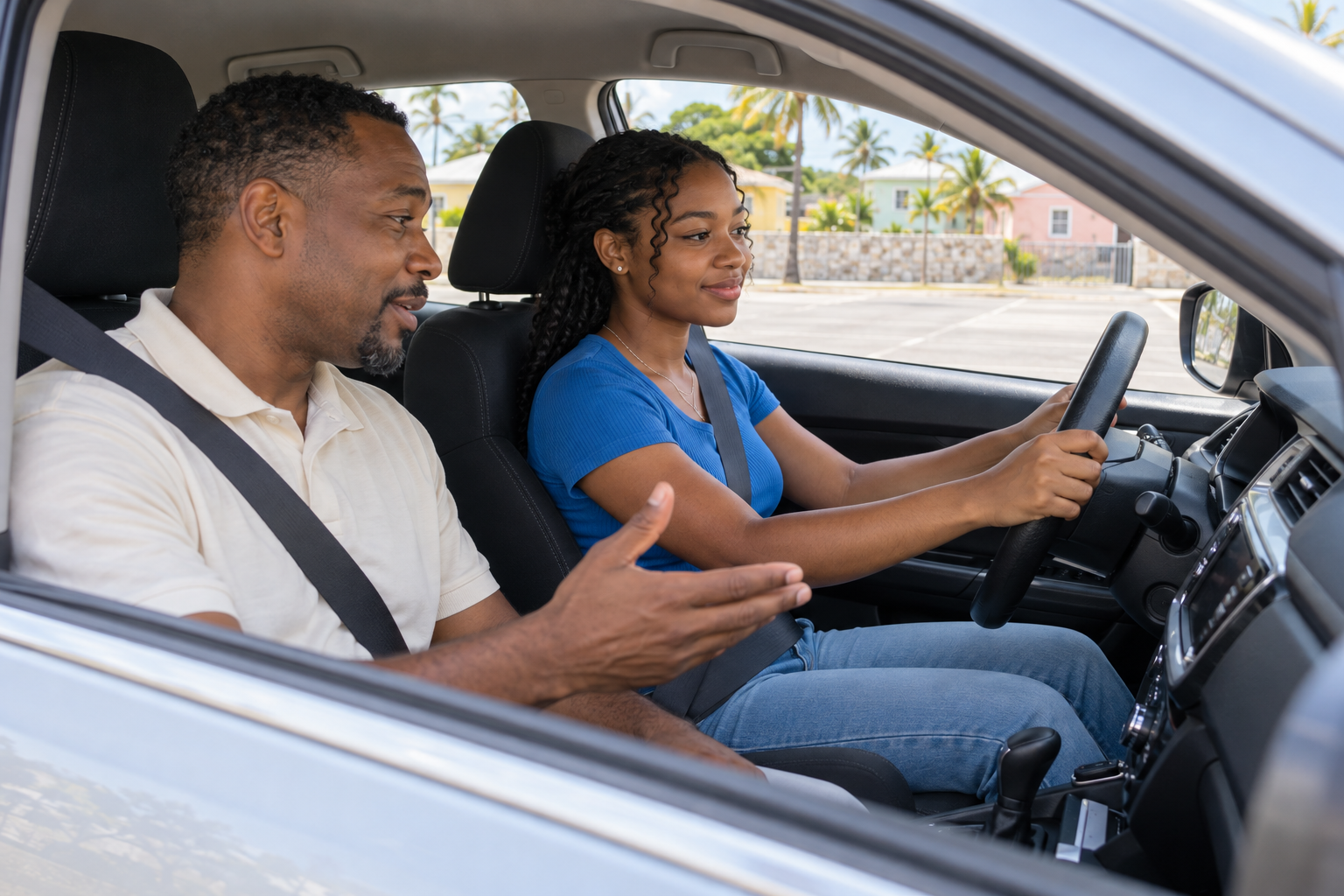
A provisional driver's license is your first step toward driving solo in Barbados. It's known as a Learner's Permit: the document the Barbados Licensing Authority (BLA) issues once you pass the Regulation Examination. It lets you practise on public roads under supervision before sitting your full driving test.

Think of it as your driving apprenticeship: real roads, real conditions, with proper guardrails in place to keep everyone safe. Here's exactly what a Learner's Permit allows, what it restricts, how to apply, and where insurance fits in.

Restrictions of a Provisional Driver's License

A Learner's Permit isn't a full licence. It comes with strict conditions designed to protect you and every other road user while you're still learning. Every permit holder in Barbados must follow these rules:

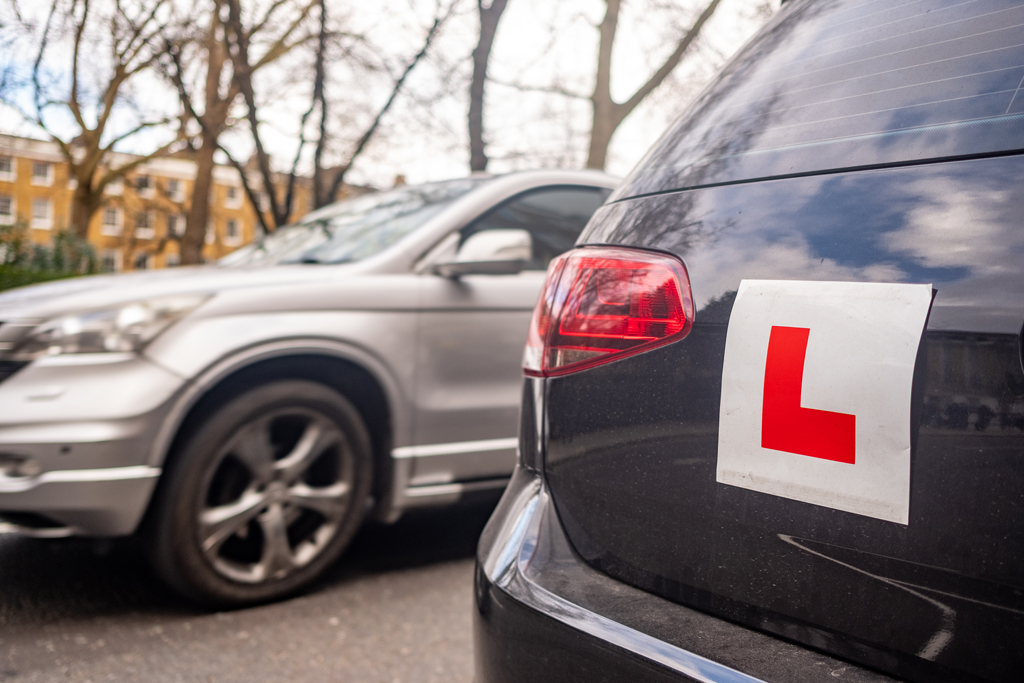
  • Display L-plates clearly on the front and rear of your vehicle whenever you're behind the wheel.
  • Drive only under supervision. A fully licensed driver must be seated next to you at all times.
  • Carry your permit on every drive. If a police officer asks to see it, you must produce it on the spot.
  • Treat alcohol as a non-starter. Learners are expected to adhere to strict safety standards regarding alcohol.
  • Drive only the class of vehicle endorsed on your permit. A car endorsement does not cover motorcycles, minibuses, or commercial vehicles.
  • Obey every other road rule. Speed limits, seat belt requirements, and the ban on handheld mobile phones all apply to learners exactly as they apply to licensed drivers.

In short: a Learner's Permit is permission to practise. It is not a licence to drive however, wherever, or whenever you choose.

How Long Provisional Restrictions Apply

Your Learner's Permit restrictions apply for as long as you hold the permit. First-time holders must practise for a minimum of three months before they can apply for the practical driving examination. Most learners take longer than that to build real road-readiness. A sensible baseline used by driving schools is 1.5 hours of practice for every year of your age, working up to around 20 to 30 hours total.

The permit must be kept valid through renewal if you need more time. Once you pass your practical test, the restrictions lift and you graduate to a full Barbados driver's licence.

What Happens If You Break the Rules?

Driving without your supervisor, ditching the L-plates, or breaking any other permit condition isn't a minor slip. It's a Road Traffic Act offence with real consequences:

  • Fines: Specific penalties depend on the offence, and multiple infractions on the same stop add up fast.
  • Demerit points: Points recorded against your name carry over to your full licence and can lead to suspension if they accumulate.
  • Permit suspension or revocation: The BLA can pull your permit, forcing you to restart the process from the Regulation Examination.
  • A delayed road test: A serious violation can push back the date you're eligible to sit your practical exam.
  • Criminal charges: Driving without a valid licence or permit is an offence under the Road Traffic Act, punishable by a fine, imprisonment, or both.
Insurance warning: Cause an accident while unsupervised, and your insurance may refuse to pay out. The cost lands squarely on you — sometimes for years.

How to Apply for a Provisional Driver's License

Applying for your Learner's Permit in Barbados is straightforward. Here's the process, step by step:

  1. Be at least 17 years old (or 16 with parental/guardian consent). Anyone under 18 needs parental or guardian consent.
  2. Register an account with the Barbados Licensing Authority at bla.gov.bb and book your Regulation Examination.
  3. Pay the $30 BBD test fee at any Barbados Revenue Authority (BRA) office, and pick up the Highway Code book for $10 BBD.
  4. Study the Highway Code. The Regulation Exam is 20 questions, and you need 15 correct to pass.
  5. Sit the test at the BLA office in The Pine, St. Michael. Bring valid Barbados identification.
  6. On passing, pay the $80 BBD permit fee at the BRA. Your Learner's Permit is issued on the spot.

You'll also need two passport-sized photos. Total upfront cost: $120 BBD. From there, find a qualified instructor or experienced supervising driver and start logging practice hours toward your three-month minimum.

Do You Need Insurance on a Provisional Driver's License?

Yes. Insurance is non-negotiable in Barbados, and that applies to learners too. Every motor vehicle used on public roads must be insured against third-party risks. No exceptions.

The penalties for driving uninsured are stiff:

  • A $1,000 fine.
  • Up to six months' imprisonment.
  • Disqualification from holding a driving licence for 12 months from the date of conviction.

If you're practising in a family member's vehicle, make sure the policy lists you as a named driver. Adding a learner to an existing policy is often cheaper than people expect, and it protects everyone in the car if something goes wrong.

General Accident Insurance Barbados has been protecting Bajan drivers for decades, with private vehicle policies built around real local needs and quick local support. Get a free quote today or call (246) 538-2200.

Get Covered Today

Learner's Permit? You still need insurance. Get a quote from GenAc Barbados.

Get a Quote

Key Facts

  • Minimum age: 17 (16 with consent)
  • Minimum practice: 3 months
  • Theory test: 20 questions, 15 to pass
  • Test fee: $30 BBD
  • Permit fee: $80 BBD
  • Total cost: ~$120 BBD

Uninsured Penalties

  • $1,000 fine
  • Up to 6 months' imprisonment
  • 12-month licence disqualification

Frequently Asked Questions

At what age can I apply for a Learner's Permit in Barbados?

You must typically be at least 17 years old to apply, though some applicants may do so at 16 with parental or guardian consent.

Can I drive by myself on a Learner's Permit?

No. A fully licensed driver must be seated beside you on every drive. Driving solo voids your permit conditions.

How long must I hold my permit before the driving test?

A minimum of three months. Most learners practise longer to feel genuinely road-ready.

What does the Regulation Examination cover?

It's a 20-question theory test on the Barbados Highway Code, road signs, and traffic regulations. You need 15 correct answers to pass. Each attempt costs $30 BBD.

Do I need to renew my Learner's Permit if it expires?

Yes. A Learner's Permit must be renewed if you need more time to practise, with renewal fees varying depending on the renewal period.

Starting Out? Get the Right Cover.

Every vehicle on Barbados' public roads must be insured — including learners. GenAc makes it easy to add a learner driver to an existing policy or get covered from day one.

Get Your Free Quote

Safe Driving Skills: Essential Techniques for Safer Driving

Safe Driving Skills: Essential Techniques for Safer Driving

Most collisions are preventable. Building strong, safe driving skills is the single most effective way to protect yourself, your passengers, and your finances every time you get behind the wheel in Barbados.

Every journey on Barbados' roads — whether along the South Coast highway or through Bridgetown's morning rush — carries some risk. The good news? Most collisions are preventable. Building strong, safe driving skills is the single most effective way to protect yourself, your passengers, and your finances every time you get behind the wheel.

What Are Safe Driving Skills?

Safe driving skills are a set of deliberate, proactive habits that help motorists anticipate danger, obey the law, and maintain control of their vehicle at all times. Rather than simply reacting to hazards, a skilled driver reads the road ahead, adjusts to conditions, and makes decisions that reduce the likelihood of a crash.

In Barbados — where narrow rural roads, frequent roundabouts, and sudden tropical downpours are everyday realities — these skills are more than a best practice: they are a daily necessity.

Essential Safe Driving Skills

Developing safe driving skills is about consistency, awareness, and self-discipline. Below are the techniques that Barbados road-safety advocates and driving instructors recommend most.

  • Maintain full situational awareness. Constantly scan the road ahead, check your mirrors every five to eight seconds, and monitor blind spots before any lane change or turn. A 360-degree scan is essential when approaching junctions.
  • Keep a safe following distance. Rear-end collisions are a common crash type in Barbados. Maintain a minimum three-second gap between your vehicle and the one in front; increase it in wet weather.
  • Master roundabout navigation. Barbados has numerous roundabouts. Vehicles already in the roundabout have the right of way. Use the left lane for the first exit and the right lane for subsequent exits, always signalling when leaving.
  • Eliminate all distractions. Using a hand-held mobile phone while driving is prohibited. Even hands-free calls reduce reaction time. Pull over to a safe spot if you must text, eat, or adjust controls.
  • Adjust speed to conditions. The posted limit is not always the safe speed. Reduce your speed at night, on winding roads, near schools, and when rain reduces visibility.

Key Road Rules for Safe Driving

Here are the key rules every driver in Barbados must know and follow:

Rule Detail
Keep left, overtake right Drive on the left-hand side of the road. Always return to the left lane after overtaking safely.
Speed limits Urban and residential areas are typically 40 km/h (25 mph); open roads are 60 km/h (37 mph). Watch for posted signs.
Seat belts Compulsory for all passengers, front and back.
No hand-held phones Banned while driving. Use only a hands-free system.
Traffic signals Flashing red = stop, check, proceed when clear. Flashing orange = proceed with caution. Stop junctions require a full stop.
No drink driving If you plan to drink, designate a sober driver, take a bus, or hire a taxi.
No riding in trays or trailers Passengers are only permitted inside the cab of a vehicle. Prohibited under the Road Traffic Regulations, 1984.
Park safely Park in well-lit areas, lock doors and windows, and never leave your engine running unattended.

The Role of Insurance

Even the most skilled driver cannot control every variable on the road. That is where motor insurance becomes essential.

In Barbados, third-party motor insurance is a legal requirement for any vehicle operating on a public road. Driving without it can result in a $1,000 fine, up to six months' imprisonment, and a possible 12-month licence disqualification.

Third-party cover protects you against liability for injury or damage caused to others, but does not cover your own vehicle. Comprehensive insurance adds protection for your own car, medical expenses, towing, windscreen damage, and more. Choosing the right policy ensures that if an accident happens — despite your best efforts — you are not left with a financial crisis on top of everything else.

GenAc Barbados provides tailored Third Party and Comprehensive motor insurance policies designed specifically for Barbadian drivers. Call us at (246) 538-2200 or get a quote online today.

Get Motor Insurance

Third Party and Comprehensive policies designed for Barbados drivers.

Get a Quote

Top 5 Safe Driving Tips

  • Scan mirrors every 5–8 seconds
  • Keep a 3-second following gap
  • Never use a hand-held phone
  • Slow down in wet weather
  • Give way at roundabouts

Uninsured Penalties

  • $1,000 fine
  • Up to 6 months' imprisonment
  • 12-month licence disqualification

Frequently Asked Questions

What is defensive driving?

Defensive driving is a style of driving that prioritises anticipating hazards, maintaining safe distances, and adjusting your speed to the conditions around you. The goal is to reduce risk by being constantly aware of other road users and ready to react safely, rather than relying on others to follow the rules.

How do I improve my driving skills?

The most effective ways to improve are practising regular mirror and blind-spot checks, completing a defensive driving course, and staying up to date on Barbados road rules. Driving with an experienced mentor who can offer constructive feedback also helps build long-term confidence and competence.

What are the key safety rules in Barbados?

The key safety rules in Barbados are: always wear your seat belt, obey posted speed limits, never use a hand-held mobile phone while driving, keep left, give way to vehicles in a roundabout, and never drive under the influence of alcohol. These rules are legally binding and enforced by the Barbados Police Service.

Drive Safe. Stay Covered.

Good driving habits reduce your risk — and the right motor insurance protects you when the unexpected happens. GenAc Barbados has you covered with tailored Third Party and Comprehensive policies.

Get Your Free Quote

Engineering Insurance Examples: Types, Coverage & Scenarios

Engineering Insurance Examples: Types, Coverage & Scenarios

The construction industry in Barbados has seen strong growth in recent years, with major public and private projects reshaping the landscape. Here's how engineering insurance protects them.

Every project — from coastal villas to commercial towers — faces risks that can derail budgets overnight: hurricanes, equipment theft, fire, or accidental collapse. Engineering insurance is how you protect the money, time, and materials you have committed.

What is Engineering Insurance?

Engineering insurance is a specialised business cover built for the construction, installation, and machinery sectors. Rather than a single policy, it is a family of "All Risks" covers that respond to sudden, unforeseen physical loss or damage during a project or while plant and equipment are operating, subject to policy terms and exclusions.

In Barbados, it shields building works, civil infrastructure (roads, harbours, bridges), contractor's plant, electronic installations, and heavy machinery. It is designed for developers, builders, civil and structural engineers, architects, and plant operators.

Types of Engineering Insurance

Different stages and types of work carry different exposures. GenAc provides the following core engineering insurance solutions in Barbados:

Contractors All Risks (CAR)

Comprehensive cover for physical loss or damage to contract works and on-site materials during the construction period, covering fire, hurricane, earthquake, flood, theft, and subsidence. Can be extended to include third-party liability.

Erection All Risks (EAR)

Protection for projects involving the installation and testing of machinery, plant, and steel structures. Covers loss or damage during erection and commissioning, with optional third-party liability extension.

Machinery All Risks

Covers plant and equipment (fixed and mobile) against extraneous perils. Designed for contractors and plant owners who rely on high-value machinery to stay productive.

Machinery Breakdown

Covers sudden, unforeseen mechanical or electrical breakdown of working parts. Often written alongside a Machinery All Risks policy to plug the gap between external and internal damage.

Equipment All Risks

Covers electronic equipment such as laptops, desktops, telephone systems, and scanners against physical loss or damage, with optional cover for data and software restoration.

Boiler & Pressure Vessel

Covers sudden and unforeseen damage from explosion or collapse of boilers and pressure vessels, with optional extensions for surrounding property and third-party injury or damage.

Computer All Risks

Covers physical loss or damage to electronic data processing equipment and media, including fire, lightning, hurricane, earthquake, flood, and malicious damage.

What Engineering Insurance Covers

Engineering insurance can cover the following key areas, subject to policy wording and exclusions:

  • Contract works and materials — Permanent and temporary works, and materials on site awaiting use. The foundation of CAR and EAR policies.
  • Own and hired-in plant — Machinery, tools, and equipment owned or hired by the contractor, including transit to and from the site.
  • Third-party liability — Legal liability for accidental bodily injury or property damage to third parties arising from the project.
  • Machinery and equipment — Sudden mechanical or electrical breakdown, operator error, and damage from external perils for fixed and mobile plants.
  • Electronic equipment and data — Hardware and data media against physical loss or damage, including breakdown and derangement.
  • Natural catastrophe — Hurricane, earthquake, flood, storm, volcanic eruption, and other forces of nature, subject to policy terms and applicable deductibles.

How to Choose Engineering Insurance Coverage

There is no one-size-fits-all engineering policy. Use the steps below to identify the protection your project or business needs:

  • Match the policy to your role. A main contractor needs a different scope of cover than a plant owner or an engineer. Choose a policy that fits your legal responsibilities and exposure.
  • Assess your risks, including natural hazards. Barbados is in the Atlantic hurricane belt and sits in a seismically active zone. Make sure your chosen policy includes hurricane, earthquake, and flood cover.
  • Consider contractual obligations. Many contracts (including government-funded projects) require proof of CAR/EAR insurance and stipulated minimum limits, especially for third-party liability.
  • Combine covers for complete protection. A contractor may need CAR for the works, Machinery All Risks for owned plant, and Equipment All Risks for site computers. Ask about package solutions and combined deductibles.
  • Review sums insured and replacement basis. Check that contract values, plant schedules, and equipment lists are accurate and based on replacement cost. Underinsurance can reduce claim payouts.
  • Understand exclusions. Common exclusions include wear and tear, defective design, wilful negligence, and war. Read your policy wording carefully.
  • Work with a local expert. A Barbados-based insurer understands local building practices, regulatory requirements, and catastrophe exposure better than an offshore provider.

Whether you are starting a new build, installing machinery, or managing a fleet of heavy plant, GenAc's team can build a policy to fit your scope and budget. Contact GenAc today for a no-obligation consultation.

Protect Your Project

GenAc offers specialist engineering insurance built for Barbados construction risks.

Get a Consultation

Policy Types

  • Contractors All Risks (CAR)
  • Erection All Risks (EAR)
  • Machinery All Risks
  • Machinery Breakdown
  • Equipment All Risks
  • Boiler & Pressure Vessel
  • Computer All Risks

Who Needs It?

  • Developers & builders
  • Civil & structural engineers
  • Architects
  • Plant & equipment operators
  • Installation contractors

Frequently Asked Questions

Is engineering insurance compulsory in Barbados?

Engineering insurance is not a statutory requirement, but it is often a contractual obligation imposed by project owners, lenders, and government agencies. You may be unable to secure project funding or a building permit without proof of CAR/EAR insurance.

What is the difference between CAR and EAR insurance?

CAR is designed for civil engineering and building works (roads, bridges, buildings), while EAR is designed for the installation and erection of machinery, plant, and steel structures.

Does engineering insurance cover hurricane damage?

Engineering policies typically include cover for hurricane, storm, windstorm, and related perils, subject to policy terms and conditions.

What is excluded from engineering insurance?

Common exclusions include wear and tear, defective design or workmanship, wilful negligence, intentional acts, and war. Each policy has specific exclusions — always review your policy wording carefully.

Secure Your Project with GenAc

Every day a Barbados project sits uninsured is a gamble against weather, theft, breakdown, or accident. With local expertise and a specialist engineering insurance suite, GenAc is ready to protect your project, plant, and equipment.

Contact Us Today

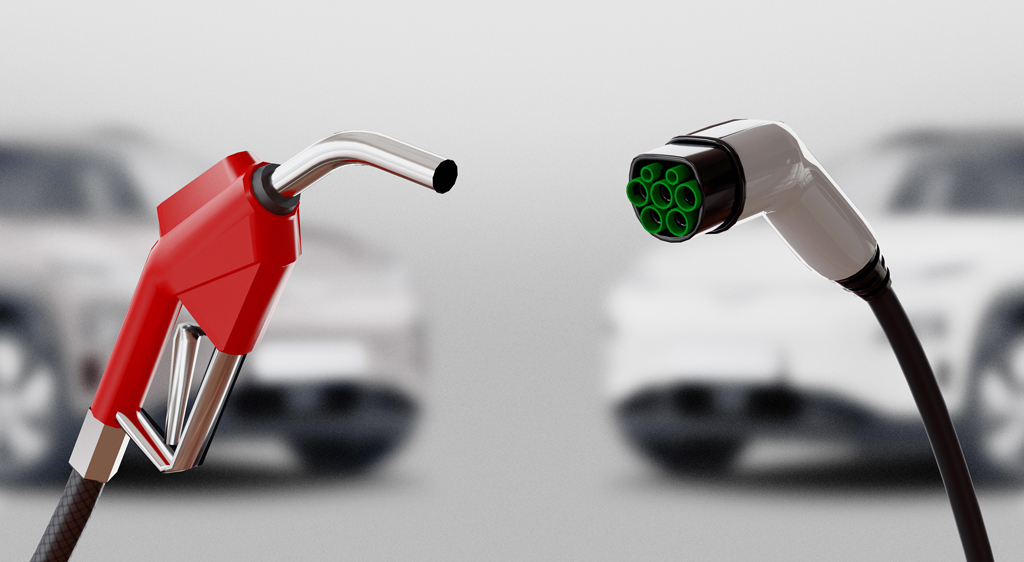
Electric vs Gas Car Insurance: How Costs Compare in 2026

Electric vs Gas Car Insurance: How Costs Compare in 2026

Electric vehicles are becoming increasingly popular in Barbados. Many drivers wonder how EV insurance costs compare to those for gasoline-powered cars. This guide breaks down the key differences.

Electric vehicles (EVs) are becoming increasingly popular in Barbados. Many drivers wonder how EV insurance costs compare to those for gasoline-powered cars. Now in 2026, insurers have gained more experience with EVs—though notable differences remain.

Wondering how EV insurance stacks up? This blog breaks down why insurance costs can differ for electric vs gas cars, compares their 2026 costs side by side, and offers tips for choosing the right plan.

Understanding Insurance: Electric vs Gas Cars

Car insurance premiums are determined by a range of factors, regardless of fuel type. These include the vehicle's value, repair costs, safety features, theft risk, how you drive, and more. However, electric and gas cars differ in several of these aspects, which can lead to differences in insurance costs.

Generally, insuring an electric car tends to be more expensive than insuring a comparable gas car. This is because EVs often have higher purchase prices and specialised technology that can drive up repair costs.

On the other hand, gas-powered cars have been around for over a century, so insurers have abundant data and experience pricing their policies. Even so, personal factors like your driving record, location, and coverage choices also strongly influence your premium.

Insuring electric cars

Insuring an electric car in 2026 typically comes with a higher premium. EVs usually have a higher vehicle value and more complex technology, which raises their insurance costs. Their large battery packs and advanced electronics are expensive to repair, and there are fewer specialised technicians available.

Even a minor fender-bender can lead to a costly battery or electrical system fix, driving up claim expenses. Insurers also face more uncertainty with EVs due to limited historical data on long-term risks and some unique concerns (like battery fire hazards).

To offset these unknowns, companies often charge a bit more for EV coverage. On the positive side, many EVs come with cutting-edge safety features that could reduce accidents, and insurance costs are expected to decline as electric vehicles become more common and repair networks improve.

Insuring gas cars

Gasoline cars (internal combustion engine vehicles) are generally cheaper to insure. They tend to have lower replacement values and more straightforward, affordable repairs. Parts for gas cars are widely available and most mechanics can fix them, keeping repair costs (and insurance claims) down.

Insurers also have decades of data and experience with gas-powered vehicles, so there's less uncertainty in pricing policies. Unlike EVs, gas cars don't carry expensive battery or high-tech risks, which further simplifies coverage. Of course, premiums still vary by vehicle — a luxury sports car will cost more to insure than an economy sedan — but overall, a typical gas model in 2026 costs less to insure than a comparable electric car.

Comparing Electric and Gas Cars: 2026 Costs

Below is a quick comparison of electric vs gas car costs in 2026:

Area Gas Cars Electric Vehicles (EVs)
Premium factors Lower vehicle value and cheaper parts keep premiums down Higher vehicle value and expensive battery systems increase premiums
Repair reality Most garages can repair quickly using widely available parts Requires trained technicians and specialised equipment, increasing repair time and cost
Insurer pricing logic Decades of claims data enable accurate, stable pricing Limited long-term data and higher claim severity lead to cautious pricing
Local support in Barbados Broad network of mechanics and body shops Smaller specialist network, though gradually expanding

Tips for Choosing an Insurance Plan

Whether you drive an electric or gas car, the steps for picking insurance are similar. Keep these tips in mind:

  • Compare quotes: Rates vary between insurers, especially for EVs. Shop around (including with providers that specialise in EV coverage) to find the best deal.
  • Ask about discounts: Inquire about discounts like safe driver bonuses, multi-policy bundling, or any eco-friendly vehicle discounts. These can help reduce your premium.
  • Consider your coverage needs: Make sure the policy fits your vehicle. For an EV, you may want coverage for battery or charging equipment, while every driver should decide between third-party vs. comprehensive coverage based on their needs and budget.
  • Choose an appropriate deductible: A higher deductible means a lower premium, but be sure you can afford to pay that amount out-of-pocket if you have a claim.

For personalised guidance and competitive quotes on insuring your vehicle, contact GenAc today — or simply request a quick quote.

Get a Quote Today

Competitive motor insurance for electric and gas vehicles in Barbados

Get a Quote

Key Takeaways

  • EVs: Higher premiums due to repair costs
  • Gas cars: Lower, more predictable premiums
  • Hybrids: Usually between the two
  • Both: Comprehensive coverage recommended

Choosing a Plan

  • Compare quotes from multiple insurers
  • Ask about available discounts
  • Match coverage to your vehicle type
  • Pick a deductible you can afford

Frequently Asked Questions

How much more do EVs actually cost to insure?

On average, electric vehicles tend to cost more to insure than gasoline cars — roughly in the range of 20% to 50% higher premiums on typical models. The exact difference depends on the vehicle and insurer, but usually an EV policy will be noticeably pricier than a comparable gas car.

Why are electric cars sometimes more expensive to insure?

It mainly comes down to higher repair and replacement costs. EV batteries and other components are very expensive to fix or replace, and not all repair shops can handle them. This leads to higher claim costs. Additionally, insurers have less long-term data on EVs, so they charge a bit extra to cover the uncertainty. In short, the risk (and potential payout) is higher with an electric car, so the premium is higher.

Do hybrids cost less to insure than fully electric cars?

Generally, yes. Insuring a hybrid usually costs less than insuring a pure electric car. Hybrids share a lot of technology with traditional vehicles, so they are cheaper to repair and pose less risk to insurers. As a result, their premiums typically fall in between those of gas-only cars and full EVs, often closer to the gas end of the spectrum.

Ready to Insure Your Vehicle?

Whether you drive electric or gas, GenAc offers competitive motor insurance plans tailored for Barbados drivers. Get your personalised quote today.

Get Your Free Quote

Can You Switch Homeowners Insurance? Here’s How to Do It in Barbados

Can You Switch Homeowners Insurance? Here's How to Do It in Barbados

Learn the steps, pros and cons, and answers to common questions to help you switch homeowners insurance in Barbados with confidence.

Switching your homeowners insurance policy is absolutely possible. Many homeowners stay with the same insurer for years, but that doesn't mean you're locked in. In fact, you have the freedom to change providers whenever you want.

By learning the steps and considerations involved, you can transition to a new home insurance company smoothly.

Can you switch homeowners insurance?

Yes. You can change your home insurance company at any time. If you cancel mid-policy, your insurer might charge a cancellation fee, so plan the timing carefully. Make sure your new policy begins before or on the day your old policy ends to avoid any gap in coverage.

Are There Any Downsides to Switching Home Insurance Companies?

There are a few potential drawbacks to switching. You might face an early cancellation fee from your current insurer. You could also lose any loyalty or multi-policy discounts you currently receive. And if you don't line up the new policy to start immediately when the old one ends, you risk a gap in coverage. Consider these factors to make sure switching will truly benefit you.

How Do I Know if Switching Home Insurance Is a Good Idea?

It's a good idea to switch if you stand to gain better value. For example, you might get a significantly lower premium, broader coverage, or specific discounts and features with another insurer. On the other hand, if your current coverage is sufficient and the savings from switching are small, you may be better off staying put. Weigh the benefits you'd get by moving.

What Information Should You Gather Before Comparing Quotes?

Before comparing home insurance quotes, gather some key information:

Personal and home details: Your name and the property address, plus key details about the house (year built, size, and any special features like a pool or security system).

Current policy and claims: Have your current policy's declarations page (showing your coverages, limits, and deductibles) ready. Note any claims in the last five years, since insurers will ask about your claims history.

Mortgage info: If you have a mortgage, jot down your lender's name, address, and loan number. The new insurer will need this to update the lender on your new policy.

Five Steps to Changing Your Homeowners Insurance

Follow these steps to change your homeowners insurance smoothly:

Check Your Current Policy. Review your existing policy for any terms or fees for early cancellation. See if there's a cancellation penalty and note your policy end date and current coverage limits (found on your declarations page).

Evaluate Your Coverage Needs. Think about whether you need more or less coverage now. For instance, home upgrades or new valuables might mean you should increase your coverage. If nothing major has changed, your current coverage amounts can serve as a baseline for new quotes.

Shop Around. Get quotes from multiple insurance companies. Compare quotes (making sure each has similar coverage) and consider each insurer's customer service and financial strength ratings.

Start the New Policy Before Cancelling the Old. Start your new policy before or on the day your old one ends. Then, cancel your old policy effective on that same date. This way, you won't have any lapse in coverage, and you'll receive a refund for any unused premium (minus any cancellation fee).

Notify Your Mortgage Lender. Inform your mortgage lender about your new insurance policy. They need updated proof of coverage. Once they have the new policy details, they can update their records accordingly.

Will I Pay More if I Switch Home Insurance Companies?

Probably not. Often, switching saves you money because you'll choose a new policy with a lower premium for the same coverage. However, if your new policy offers higher coverage limits or additional add-ons, you could end up paying more than before. The key is to compare quotes on an equal coverage basis. Make sure you're getting all the discounts you qualify for with the new insurer as well.

Can I Switch Home Insurance Companies After a Claim?

Yes, but timing matters. If you have an open claim, it's best to wait until that claim is fully settled before switching. Changing insurers in the middle of a claim can complicate the process. Once your claim is paid out and closed, you can switch to a new company. Keep in mind your past claim will still appear on your record and could influence the premium your new insurer offers.

Comprehensive insurance, with Genac

General Accident provides comprehensive home insurance coverage. Our policy protects your home and belongings against major risks like fire, hurricanes, theft and more. It also includes personal liability coverage, which covers you if someone gets hurt on your property.

Plus, Genac offers a 10% discount when you bundle your home and car insurance with us. Contact us for a quote and see how easy it is to protect your home.

Switch to GenAc

Comprehensive coverage + 10% bundle discount for home & auto

Get a Free Quote

Quick Facts

  • Switch anytime: Yes, at any point
  • Mid-policy: May incur cancellation fee
  • Coverage gap: Always overlap policies
  • After a claim: Wait until settled

GenAc Home Benefits

  • Fire, hurricane & flood cover
  • Theft & liability protection
  • 10% bundle discount
  • Up to 10% off for safety upgrades

Frequently Asked Questions

How often do people switch homeowners insurance providers?

Not very often. Only about 13% of homeowners switched insurers in the last year. However, it's wise to review your home insurance annually – especially if your premium increases – to see if you can get a better deal.

Can you change home insurance at any time?

Yes. You can cancel and switch your home insurance whenever you like. Just be sure the new policy takes effect before you cancel the old one so you don't have a coverage gap. Also, check whether your current insurer charges a fee for cancelling mid-term.

What is the homeowners insurance declarations page?

It's a summary of your homeowners insurance policy. The declarations page (or "dec page") lists all the key details – your coverage types and limits, deductibles, policy period, premium, insured name, and insurer name. Basically, it tells you what's covered, how much it's covered for, and other essential info at a glance.

Will I pay more if I switch home insurance companies?

Usually not. Most people switch to save money, so your new policy will likely have a lower premium if you find a better rate. That said, if you opt for higher coverage or extra features with the new insurer, your costs could be higher. Always compare policies with the same coverage levels to know if you're really saving money.

Can I switch after filing a claim?

Yes – but only after your claim is fully settled. Changing insurers mid-claim isn't recommended. Once your claim is closed, you can switch to a new company. The claim will still show on your history and might affect your new premium, but it won't prevent you from switching.

Switch to GenAc for Comprehensive Home Protection

General Accident provides reliable coverage against fire, hurricanes, theft and more — plus a 10% discount when you bundle home and car insurance.

Get Your Free Quote

Understanding How Car Insurance Premiums Are Calculated (and How to Lower Yours)

Understanding How Car Insurance Premiums Are Calculated (and How to Lower Yours)

Learn how car insurance premiums are calculated and what factors affect your rate in Barbados. Get practical tips to lower your premium.

Car insurance costs vary — sometimes widely. Insurance providers will take certain factors into account when calculating your premium. For example, your car insurance provider may look at your driving profile, the vehicle, your driving habits and more. In addition, the type of coverage you select will impact the cost of your premiums.

Fortunately, there are ways for you to lower your car insurance. Here's what you need to know about how car insurance costs are calculated and how to lower yours.

What is a car insurance premium?

A car insurance premium is the price you pay an insurance company for your policy — essentially, it's the cost of insuring your vehicle. Premiums are calculated based on your risk profile. Higher-risk drivers pay more for insurance, while lower-risk drivers pay less. Car insurance premiums are often quoted as an annual amount, but many insurers allow you to pay this cost in monthly or quarterly installments.

How much is car insurance per month in Barbados?

There is no fixed monthly cost for car insurance in Barbados. The amount you pay per month depends on your total premium, which varies widely from driver to driver. Insurers typically quote an annual premium, but you can often divide it into monthly payments for convenience.

The premium you'll owe is personalized, reflecting your coverage choices and personal risk factors. Choosing the basic third-party only coverage (the legal minimum) will be the most affordable option, whereas opting for comprehensive coverage with broader protection costs more. Beyond coverage type, insurance providers consider many factors when calculating your premium.

Key factors include:

Driver's age and experience: Younger drivers pay more. Seasoned drivers pay less (due to differing accident risk).

Driving history: Accidents or tickets will increase your premium, while a clean record helps lower it.

Vehicle make/model/year: Expensive or new cars cost more to insure (higher replacement/repair costs).

Coverage type: Third-party insurance is the cheapest. Comprehensive coverage is more expensive.

Ways to Lower Your Car Insurance Premium

Fortunately, there are several ways you can lower your car insurance premium and save money. Consider taking advantage of the following:

Safe driving discounts: Insurance providers usually offer a lower premium for safe drivers who avoid accidents. For example, here at General Accident, you may be entitled to a "No Claims Discount". Our "No Claims Discount" accumulates over time based on the number of years you drive claims-free.

Bundling policies: If you bundle your policies, you may qualify for a lower premium. For example, at General Accident, if you have your car and home insured with us you get a bundle discount of 10%.

Comparing insurance providers: If you want a lower car insurance premium, don't be afraid to compare insurance providers. You may find another provider who will give you a lower premium and help you save some money. Make sure you're paying attention to what is covered, excess and other important factors before opting for a seemingly lower premium.

Insuring multiple vehicles with the same provider: Some insurance providers, like General Accident, will give you a discount if you insure more than one vehicle with them. Currently, we offer a 10% discount.

How to Get an Accurate Insurance Quote

An accurate insurance quote is important, especially when you're trying to compare insurance providers to get the best deal. If you're looking to get an accurate insurance quote, we make it easy for you. You can get a quick quote from our website by entering some basic information. As you can see, car insurance is calculated using a variety of factors that range from the type of vehicle you have to where you live and your driving habits.

That's the primary reason why insurance premiums can vary so widely among drivers. If you're looking to decrease the cost of your premium, there are many paths you can take. We recommend reaching out to us at General Accident to ensure you're getting an accurate quote and fair premium based on your situation.

Get a Quick Quote

Find out your car insurance premium in minutes with GenAc Barbados

Get a Quote

Key Premium Factors

  • Driver age & experience
  • Driving history
  • Vehicle make, model & year
  • Coverage type selected

GenAc Discounts

  • No Claims: Grows each claims-free year
  • Bundle: 10% for home + car
  • Multi-vehicle: 10% discount

Frequently Asked Questions

How Does the Make and Model of My Car Affect My Car Insurance Premium?

The car you drive has a big impact on your insurance rate. Generally, an expensive, high-end or new vehicle will cost more to insure than a cheaper or older model. Cars with strong safety ratings or advanced safety features, on the other hand, often qualify for lower premiums since they're less risky to cover. Meanwhile, if a particular car model is frequently targeted by thieves, insurers may charge a higher premium for that model. Installing anti-theft devices (like alarms or immobilizers) can help reduce the cost.

How Does Making Modifications Affect My Car Insurance Premium?

Modifying your car can affect your premium. In general, any modification that boosts your car's performance or value is likely to increase your insurance cost. This is because a faster, more valuable car is riskier and more expensive to cover (repairs or replacements would cost more).

On the other hand, mods aimed at safety or security can sometimes lower your premium. Installing features like alarm systems or an immobilizer could qualify you for a discount, as they reduce the risk of theft or damage.

How Does My Age Affect My Car Insurance Premium?

Your age has a significant influence on the premium you pay. Young drivers — especially teenagers and those in their early 20s — face higher premiums, since they are statistically more likely to be involved in accidents. As you get older and gain experience, insurers reward you with lower rates. Experienced drivers typically enjoy much cheaper insurance, provided they maintain a clean driving record.

How Does My Driving History Affect My Car Insurance Premium?

Your driving history is one of the most important factors in your premium. Each accident or traffic ticket can drive up your insurance rate. Conversely, a clean record helps you secure lower premiums. Insurers often offer rewards for staying claim-free. For example, GenAc's No Claims Discount grows larger with each year you don't make a claim.

Get a Fair Car Insurance Premium in Barbados

General Accident offers competitive car insurance rates, a No Claims Discount, and a 10% bundle discount when you insure your home and car with us.

Get Your Free Quote

How to Change Home Insurance Companies: Benefits, Steps, and What to Look For

How to Change Home Insurance Companies: Benefits, Steps, and What to Look For

Thinking of switching home insurance? Learn how to change providers, the key advantages, and what to look for when making the switch in Barbados.

Changing your home insurance provider might seem daunting, but it can be a smart move. Whether you're unhappy with your current insurance or simply seeking a better deal, knowing how to switch companies can save you money and improve your coverage.

In this guide, we'll explore why homeowners decide to switch insurers, the advantages of changing companies, a step-by-step plan to make a smooth transition, and how to determine if switching is right for you.

Why Homeowners Switch Insurance Companies

Homeowners in Barbados change insurance providers for many reasons. It's important to consider why you're thinking of switching. Here are some common reasons people shop for a new home insurer:

Rising premiums or better rates: If your premium keeps climbing or you find a much lower rate elsewhere, it might be time to switch – many homeowners save by shopping around.

Inadequate coverage: Your current policy might not cover everything you need. If it doesn't offer the level of protection your home requires (for example, coverage for certain disasters or full replacement value), you may need a more comprehensive plan from a different provider.

Poor service or claims experience: Slow claims processing, poor customer service, or other bad experiences can be deal-breakers. If you don't trust your insurer to support you after a disaster, it makes sense to look for a company known for responsive service and smooth claims handling.

Discounts: You may qualify for savings that your current insurer isn't giving you. Other companies could offer discounts for safety upgrades (like installing a security system) or for bundling home and auto policies. Switching can unlock these discounts and potentially save you money.

Advantages of Changing Home Insurance Companies

Switching home insurance providers can offer several benefits beyond just a lower price. Key advantages include:

Cost savings: The biggest perk is saving money. By comparing quotes, you might find similar coverage at a lower premium, cutting your annual cost. New insurers often have competitive rates or promotions to attract customers, so switching could reduce your yearly insurance expenses.

Improved coverage: A new insurer might offer broader or more tailored coverage. You could upgrade from a basic policy to one that protects against a wider range of risks (for example, adding hurricane or flood cover that your old policy lacked). Better coverage means you're more fully protected if something happens.

Access to discounts: Switching might let you take advantage of discounts you missed out on before. You could save if the new insurer rewards things like a clean claims history or home safety improvements. For instance, GenAc Barbados offers up to 10% off for homes with hurricane shutters or security systems, which is a valuable saving.

How to Change Home Insurance Companies: Step-by-Step Guide

Changing your home insurance provider involves a few steps to ensure you don't have any gap in coverage. Follow this guide to switch insurers smoothly:

Step 1: Review Your Current Policy and Needs

Examine your existing home insurance policy. Note your coverage amounts, deductibles, and any exclusions. Also, check when your policy is up for renewal and whether there's a penalty for canceling early. It's by understanding your current coverage that you can pinpoint what you want to improve with a new policy. At the same time, assess your needs: Has your home's value changed? Do you have new valuables or renovations to cover? Knowing what coverage you require will guide your search for a better policy.

Step 2: Shop Around and Get Quotes

Request quotes from multiple insurance companies in Barbados. Get at least three quotes so you can compare options. Ensure each quote reflects similar coverage limits and deductibles — this way you're comparing like with like. Look beyond the price: check which perils are covered, the coverage limits for your building and contents, and the deductibles. Make sure any specific risk that concerns you (like hurricane or flood damage) is included. Comparing quotes side by side will help you see which company offers the best value for the coverage you need.

Step 3: Compare Options and Check Insurer Reputation

Carefully compare the quotes and policy details. Identify which option gives you the best mix of coverage and cost. Don't just pick the cheapest policy if it leaves out important protections. Also, research each prospective insurer's reputation. Read customer reviews or ask fellow homeowners about their experiences. Verify the company's financial strength and reliability, because you want an insurer that can pay claims promptly if disaster strikes. Choosing a reputable, solid company is as important as getting a good price.

Step 4: Secure Your New Policy (Avoid Coverage Gaps)

Choose the insurer and policy that best fits your needs, and arrange for the new coverage to begin before (or on the same day) your old policy ends. This prevents any period where your home isn't insured. Many people schedule the new policy to start on their current policy's renewal date to avoid cancellation fees. If you switch mid-term, check with your current insurer about any fees or refunds for ending the policy early. Once your new policy is active, you're ready to cancel the old one. (Remember: you can switch insurers at any time. You don't have to wait until renewal.)

Step 5: Cancel Your Old Policy and Update Parties

Contact your current insurer to cancel your policy as of the start date of your new coverage. Follow their required procedure (you may need to submit a written notice) and get confirmation of the cancellation date. If you've paid your premium beyond that date, ask about a refund for the unused portion. If you have a mortgage, inform your lender of your new insurance details so they can update their records (banks require continuous coverage on mortgaged homes). After this, you've successfully switched your home insurance without any lapse in protection.

Is Switching Home Insurance Right for You?

Not everyone needs to switch, so it's wise to think about whether changing insurers truly benefits you. Start by evaluating your current situation. Are your premiums reasonable and your coverage adequate? Have you been generally satisfied with your insurer's service? If yes, you might first ask your provider for a better rate or enhanced coverage instead of immediately switching – they might offer a loyalty discount or match a competitor's quote to keep you. Also, consider timing: if your renewal is coming up soon, that's an ideal time to make a change. If you're mid-policy, weigh any cancellation fees or lost loyalty perks against the benefits of moving now.

If your rates have spiked, your insurer's service is poor, or you know you can get much better coverage and savings with another company, then switching is likely the right choice, as the benefits should outweigh the inconvenience of switching insurers. However, if the difference between your current deal and a new one is small, it might not be worth the hassle. The key is to ensure you have the best possible coverage at a fair price for your home.

Switch to GenAc for Reliable Home Insurance

Ready to make a switch? Consider General Accident (GenAc) Barbados as your new home insurance provider. GenAc offers one of the most comprehensive home insurance policies on the island — covering threats from hurricanes and fires to theft and liability — and even gives discounts up to 10% for protective measures like hurricane shutters.

Get a free quote from GenAc today to start your journey to better home protection.

Switch to GenAc Today

Get comprehensive home coverage with discounts up to 10%

Get a Free Quote

Common Reasons to Switch

  • Rising premiums
  • Inadequate coverage
  • Poor claims experience
  • Better discounts available

GenAc Advantages

  • Comprehensive coverage
  • Up to 10% off with hurricane shutters
  • Bundle home & auto for savings
  • Trusted local Barbados insurer

Ready to Switch to Better Home Insurance?

GenAc Barbados offers comprehensive coverage, competitive rates, and discounts for safety upgrades. Make the switch today.

Get Your Free Quote

How to Buy a House in Barbados: A Complete Guide

How to Buy a House in Barbados: A Complete Guide

Thinking about buying a house in Barbados? Discover the process, costs, legal requirements, and why property insurance is essential to protect your investment.

Buying a home in Barbados is an exciting venture for both locals and international buyers. The island offers a straightforward purchase process and imposes no special restrictions on foreign property ownership for non-residents.

Still, for locals and international investors alike, purchasing real estate is a big commitment that requires careful planning — from budgeting and finding the right property to securing proper insurance for your investment.

This complete guide walks you through each key step and explains why property insurance is essential for protecting your new home.

7 Steps to Buying a House in Barbados (Step-by-Step Guide)

Follow these key steps to navigate the Barbados home-buying process, from start to finish.

Identify your budget and financing

Assess how much house you can afford and arrange financing early on. If you need a mortgage, get pre-approved by your bank — this clarifies your budget and prevents delays later. Notably, Barbados banks do lend to foreign buyers, typically covering around 60–80% of the property value for qualified applicants.

Make sure you budget not only for the purchase price, but also for related costs like legal fees, home insurance, and any repairs or upgrades your new house might need.

Choose a property (new or existing)

With financing in place, search for a home that fits your needs. Decide whether you prefer a newly built house or an existing property. Buying an existing home allows you to move in immediately and comes with established utilities and infrastructure. New construction or off-plan homes offer customisation but require patience – building a house can take 18–24 months in Barbados.

Always evaluate the property's condition (hire a professional inspector if possible) so you know about any repairs or issues before you commit. Also consider location, neighbourhood, and how the property's age or construction might affect maintenance and insurance costs.

Engage a real estate agent

Work with a reputable real estate agent who knows the Barbados market. A local agent provides valuable market insight, finds properties that meet your criteria, and assists with viewings and negotiations. They also connect you with other professionals you'll need, such as attorneys, surveyors or valuers. Having an experienced agent on your side helps ensure you pay a fair price and navigate the buying process smoothly from start to finish.

Hire a conveyancing attorney

Engage a Barbados attorney who specialises in property conveyance to manage the legal details. Your attorney will perform due diligence on the title (searching public records to confirm clear ownership) and negotiate the sale agreement on your behalf. They also check for issues such as unpaid taxes, liens, or restrictions on the property's use.

In Barbados, legal representation is mandatory for property transactions, and it protects your interests. Attorney fees for conveyancing are usually about 1.5%–2% of the purchase price plus VAT — a worthwhile investment for peace of mind and a smooth closing.

Make an offer and pay a deposit

When you're ready to buy a particular house, your agent will help you make a formal offer. Once the seller accepts, the next step is signing a purchase agreement and paying a deposit to secure the property. The standard deposit in Barbados is 10% of the purchase price.

The seller's attorney holds your deposit in escrow until closing, where it is applied toward the final purchase price. After both parties sign the contract and the deposit is paid, you are legally obligated to complete the sale under the agreed terms, so be sure you are satisfied with all conditions (such as repairs or inclusions) before signing.

Arrange property insurance before closing

Before closing, set up a property insurance policy for your new home. In fact, you should insure the house as soon as you sign the purchase contract, because at that point the risk transfers to you – if a disaster damages the property before completion, you would be responsible for the loss. Additionally, if you're using a mortgage, the bank will require proof of home insurance at or before closing.

Even without a loan, having insurance is crucial to protect your investment against hazards like fire, hurricanes, flooding, or theft. Shop around for a comprehensive home insurance plan from a trusted provider so that your coverage is in effect by the time you take ownership.

Complete the sale and registration

Finally, you'll close the sale and officially become the owner. Closing usually occurs a few months after the contract is signed (often around 3–4 months), allowing time for legal checks and any necessary approvals.

At closing, you pay the remaining balance of the purchase price (usually the other 90%) and the seller signs over the property's title to you. Your attorney ensures both parties have met all conditions and then registers the new deed in your name at the Barbados Land Registry. The transaction is now complete — you receive the keys and can move into your new home.

Note: In Barbados, stamp duty and transfer tax on the property sale are generally paid by the seller, totalling about 3.5% of the price. This means the buyer's closing costs are mainly legal fees and any mortgage-related fees.

How GENAC Can Protect Your New Home

Buying a house is only the first step – protecting it is equally important. General Accident is a trusted Barbados insurer that offers comprehensive property insurance for homeowners. GENAC's home policy covers a wide range of risks, from fire and hurricane damage to floods, theft, and liability claims. In the event something goes wrong, your house and its contents are financially protected, sparing you from having to rebuild or replace everything out of pocket.

With GENAC, new homeowners also get added value through premium discounts for safety upgrades. For example, installing approved hurricane shutters or a security alarm system can earn you up to 10% off your home insurance premium. Choosing GENAC means you gain peace of mind knowing a reliable local insurance partner is helping to safeguard your new home.

Contact GENAC for a quote or to learn more about how their property insurance can shield your house and belongings.

Protect Your New Home

Get comprehensive property insurance with GENAC Barbados

Get a Quote

Key Buying Facts

  • Deposit: Typically 10% of purchase price
  • Legal fees: 1.5%–2% of purchase price + VAT
  • Closing: Usually 3–4 months after contract
  • Foreign buyers: No special restrictions
  • Insurance: Required for mortgage holders

GENAC Home Covers

  • Fire & hurricane damage
  • Floods & storms
  • Theft & malicious damage
  • Liability claims
  • Up to 10% discount for safety upgrades

Frequently Asked Questions

Can a foreigner buy a house in Barbados?

Yes. Barbados places no special restrictions on foreigners buying property — overseas buyers enjoy the same rights as citizens. As an international buyer, you will need permission from the Barbados Central Bank to register the funds for the purchase, but this is a routine step that your attorney handles as part of the process. In short, non-residents are welcome to fully own property in Barbados, just like locals.

How much deposit do you need to buy a house in Barbados?

Expect to put down about 10% of the purchase price as a deposit when you sign the sale agreement. This deposit is typically payable once the buyer and seller have agreed on the contract, and it secures the property for you. The funds are held in escrow by the seller's attorney until completion, at which point the deposit will go toward the total purchase price (with the remaining 90% due at closing).

Is it cheaper to build or buy a house in Barbados?

It depends on your situation and priorities. Building a home on your own land can have a lower initial cost and allows full customization, but construction in Barbados can take 18–24 months and often comes with unpredictable expenses and management challenges. Buying an existing house usually means a higher upfront price, yet you get immediate use of the property and a more predictable total cost of ownership. In other words, building might save money if done efficiently, but buying offers speed and certainty. You should weigh your budget, timeline, and design needs to choose the best path.

What is the minimum requirement to buy a house?

There are no special residency or citizenship requirements to buy a house in Barbados. Essentially, you need the financial means (cash or an approved mortgage) and a willingness to follow the legal process. Make sure you have enough funds for the price and related costs, and hire a local attorney to handle the transaction paperwork.

If you are financing the purchase, lenders typically require a down payment of around 30% of the property's value as a minimum. As long as you have the necessary funds and identification, and you adhere to Barbados' property laws, you can purchase a home in Barbados.

Protect Your Barbados Home with GENAC

General Accident offers one of the most comprehensive home insurance policies in Barbados, covering fire, hurricanes, theft, and more. Get a free quote today.

Get Your Free Quote

Hurricane Recovery: Essential Steps for Homeowners & Businesses

How to Recover From a Hurricane

The rebuilding period after a hurricane can feel uncertain, with many decisions to make and priorities to balance. Knowing where to start and how to proceed makes the process more manageable. Plus, with the right insurance support, you can move through recovery with greater clarity and confidence. 

Read on to learn how to approach each stage effectively, from ensuring immediate safety to building long-term resilience.

1. Ensure Safety Before Any Insurance Action

After a hurricane, safety comes first before any insurance concerns. Do not return home until local authorities say it is safe. When you do approach your property, watch out for hazards like downed power lines, gas leaks, and unstable structures. If the building looks structurally unsafe (e.g., cracked walls or a sagging roof) or you hear ominous creaking, stay out and get professional help. 

Even if it appears safe to enter, wear protective gear — sturdy boots, gloves, and a face mask — and proceed carefully. Avoid stepping in any floodwater and never touch wet electrical equipment. If possible, shut off the main electricity and gas supply to prevent fire or shock risks. 

Focus only on securing safety at this stage; don’t start cleaning up or documenting damage until all immediate dangers are fully under control.

2. Identify and Manage Post-Hurricane Hazards

Hurricanes often leave behind serious health and environmental hazards. Address these dangers before starting any cleanup or repairs:

  • Floodwater often contains sewage and chemicals, and it can hide sharp debris or live wires. Avoid wading in standing water and wear protective gloves and boots during cleanup.
  • Mould can develop quickly in damp areas, posing respiratory risks. Air out the home and dry wet materials fast. 
  • Standing water attracts mosquitoes and pests. Use insect repellent and remove stagnant water to control breeding.

At this stage, do not take on any major repairs. Only take actions that secure your property, such as boarding broken windows, tarping damaged roofs, and clearing debris that blocks safe access. For major repairs, wait for your insurance adjuster to inspect the damage. Save damaged items as evidence and do not throw anything away until your insurer approves.

3. Activate Your Financial and Insurance Recovery

Once you have ensured everyone is safe and you’ve placed immediate hazards under control, begin the financial recovery process. Let’s unpack what this entails. 

Document Damage

Take clear photos or video of all damage to your home and belongings, and make a detailed list of damaged items. The more thorough the documentation, the easier it will be to support your claim and avoid disputes. Also, keep receipts for any immediate expenses (like temporary lodging and emergency repairs) — these might be reimbursed later by your insurer or aid programs.

Contact Your Insurer

Alert your insurance company — like General Accident Insurance Company — right away to start the claims process. Follow the company’s instructions closely. An adjuster will likely visit your property to assess the damage firsthand or review the evidence you provide. They will then confirm what your policy covers and outline the next steps for moving your claim forward.

Seek Relief Assistance

In addition to your insurance claim, explore disaster relief. Relief organisations or government agencies (like the Red Cross or Caribbean Disaster Emergency Management Agency) might offer emergency grants, supplies, or temporary housing. In most cases, you need to show proof of loss. 

You may also need to provide proof of what your insurance will cover, and what it won’t. But note — relief programs aim to cover only essential needs and usually provide short-term help. You still need to rely on your insurance for full recovery and long-term rebuilding costs.

4. Rebuild With Insurance Guidance

After addressing immediate safety, hazards, and filing initial claims, begin rebuilding your property with guidance from insurance experts. 

Prioritise repairs that your insurance policy covers — this financial support accelerates restoration. Ensure all reconstruction meets current building codes to maintain safety and satisfy insurance requirements. If older standards guided the original construction of your home, rebuild to modern code to secure your claim and future coverage.

Involve your insurer or risk advisor early in the rebuilding process. Discuss repair plans with them before signing contracts with contractors to confirm coverage and avoid surprises. That way, you’re better positioned to align contractors’ estimates with your policy and ultimately support a smoother restoration.

5. As You Rebuild, Support Those Around You

Even with financial relief from insurance, rebuilding after a hurricane is a mental and emotional challenge for everyone involved. A disaster’s aftermath brings high stress, so make mental health a priority alongside physical reconstruction. Here’s how you can help yourself and those around you:

  • Keep daily routines as much as possible.
  • Cut back on exposure to distressing news or social media.
  • Talk openly about experiences and feelings.
  • Take regular breaks from cleanup or repairs.
  • Reach out to a professional if signs of mental distress appear.


As you rebuild, lean into your support networks as well. Friends, neighbours, and local community groups often come together to share resources and help each other recover. Beyond gaining support, participating in community efforts and volunteering to assist others can foster a sense of much-needed purpose and connection during the recovery process. 

6. Strengthen for the Future

Once you complete urgent repairs, focus on protecting yourself from facing the same losses again. You want to gain strength on two fronts: your policy and your property.

Compare your policy limits to the actual cost to rebuild your home today, not when you first insured it. Add coverage for gaps revealed during the storm – such as flood, contents, or additional living expenses – so the next claim fully reflects your needs. 

As you do this, work closely with your insurance provider. For example, GenAc can review your coverage in detail and identify where you can strengthen it. Our team can assess your risk profile, recommend policy adjustments, and advise on mitigation upgrades that not only reduce future losses, but may also lower your premiums.

Alongside strengthening your insurance policy, take steps to fortify your home long-term. Consider the following tips:

  • Install permanently mounted hurricane shutters on all windows and glass doors. Choose models designed and tested for your wind zone. These shutters shield glass from high-speed debris impacts and dangerous pressure changes. These can actually earn you a 10% discount at General Accident.
  • Reinforce the roof-to-wall connection with galvanised hurricane straps or clips at every truss or rafter. This creates a continuous load path that directs wind forces safely into the foundation and reduces the risk of roof detachment.
  • Elevate critical utilities — including electrical panels, HVAC condensers, and water heaters — at least one foot above the local base flood elevation, or higher if required by local building codes.
  • Replace exterior entry and garage doors with pressure- and impact-rated assemblies tested to withstand Category 5 hurricane conditions (or equivalent wind speeds specified in your local building code). Seal frames securely to prevent wind infiltration and water intrusion.


Regrade and compact the soil around the foundation to slope away at least six inches over the first 10 feet. Extend downspouts to direct runoff safely away and reduce hydrostatic pressure on walls during heavy rainfall.

General Accident provides prompt post-hurricane support

With robust coverage in place, families have the financial protection and confidence to rebuild stronger after a disaster. The right insurance partner makes a difference in how smoothly recovery unfolds. 

GENAC provides end-to-end hurricane support, offering tailored hurricane coverage to help you recover quickly.  In need of help, or simply want to learn more? Get a quote from our team today.

Will Car Insurance Cover Windshield Replacement? What You Need To Know

Will Car Insurance Cover Windshield Replacement? What You Need To Know

A cracked or shattered windscreen can turn a regular day into a stressful one. In Barbados, where narrow roads, potholes, loose gravel, and tropical weather are part of everyday driving, glass damage can happen more often than you might expect. Whether it’s a stray stone on the ABC Highway or storm debris during hurricane season, it usually happens when you can least afford it. So, will your car insurance cover a windscreen replacement?

Let’s break down what’s covered, how it works, and what to do if your vehicle’s glass is damaged.

When Does Car Insurance Cover Windscreen Replacement?

Not all glass damage is treated the same under your car insurance. Whether you can claim for a broken or chipped windscreen depends on how the damage occurred, which policy you’re insured under, and any additional benefits you’ve opted for.

You may be covered in these common scenarios:

  • Accident damage: If your windscreen cracks during a collision, your comprehensive insurance can help pay for a repair or replacement.
  • Storm or debris damage: In Barbados, this can include flying coconut branches, palm fronds, or storm-driven debris during hurricane season. These are usually covered under comprehensive policies that include flood and special perils coverage.
  • Vandalism: Acts of malicious damage, including smashed windows, often qualify under comprehensive cover. 
  • Road debris (e.g., stone impact): Chips or cracks from stones or rocks are usually covered, with policies like comprehensive private motor insurance allowing for windscreen claims without affecting your no claims discount (NCD). 

Key points to note for Barbados:

Only comprehensive insurance includes windscreen damage cover; third-party or third-party fire and theft plans typically do not.

Most comprehensive motor policies in Barbados include windscreen coverage limits between $2,000-$3,000 BBD, with the option to increase this for a small additional premium.

Many policies allow up to two windscreen claims per year without affecting your NCD.

Comprehensive Coverage And Windscreen Damage

Windscreen repair or replacement is typically covered under comprehensive insurance, not collision or third-party liability. Comprehensive coverage is designed to protect your vehicle from non-collision-related incidents like:

  • Theft or vandalism
  • Natural disasters common to Barbados, such as hurricanes and tropical storms
  • Fire or explosion
  • Broken glass

If your policy includes comprehensive cover, chances are windscreen damage is included, but you’ll want to check your policy documents or speak with your insurer to confirm.

Full Glass Coverage Add-Ons

ome insurance providers offer full glass coverage as an optional add-on. This specific cover may allow you to repair or replace your windscreen without paying a deductible, even if the damage falls under comprehensive insurance.

This can be especially useful in Barbados if you frequently drive through construction zones, rural areas with loose gravel, or coastal routes where salt air can weaken glass over time.

Do You Have To Pay a Deductible?

Your deductible (or excess) is the amount you’ll need to pay out of pocket before your insurance kicks in. When it comes to windscreen repairs:

  • Repairs for small chips may be covered in full with no deductible.
  • Full replacements often require a deductible, depending on your policy.
  • If you’ve added full glass coverage, your deductible may be waived altogether.

Be sure to ask your insurer about your specific deductible for glass claims, as it may differ from your standard collision deductible.

Filing a Claim for Windscreen Damage

Here’s a step-by-step guide to help you make a windscreen claim quickly and easily:

  • Document the damage: Take clear photos of the crack or chip, and note the date and circumstances of the incident.
  • Contact your insurer or broker: Reach out to confirm your coverage and deductible.
  • Submit a claim: Depending on your provider, this may be done online, over the phone, or via a mobile app.
  • Choose a repair provider: Some insurers in Barbados partner with specific auto glass specialists on the island, while others let you choose your own.
  • Complete the repairs: Schedule your appointment and have the repair or replacement done. If your vehicle’s glass needs to be imported, allow extra time for shipping to Barbados.
  • Pay your deductible (if applicable): The shop may collect this amount directly from you.

Once the claim is processed and approved, your insurer will cover the rest.

Repair vs. Replacement: What Insurance Will Cover

Not every chip means a full replacement is necessary. Most insurers follow these general rules:

  • Minor chips or cracks (less than a few centimetres and not in the driver’s direct line of vision) may be repaired.
  • Large cracks, deep chips, or multiple damages often require a full windscreen replacement.

Insurance will typically cover the most cost-effective option that meets safety standards. In Barbados, this also ensures your vehicle passes its roadworthiness inspection.

Will My Rates Go Up After a Windscreen Claim?

There are a few cases where your insurer may decline to cover windscreen repair or replacement:

  • Pre-existing damage not reported or repaired previously.
  • Normal wear and tear over time.
  • DIY or unapproved repairs done outside of authorised providers.
  • Driving without a valid insurance policy at the time of damage.

Always read your policy carefully to understand what is and isn’t covered.

Windscreen Damage Not Covered by Insurance

In most cases, a single windscreen claim will not affect your premium. That’s because glass damage is considered a no-fault claim, especially when caused by debris, weather, or vandalism.

However, if you’re filing frequent claims — or combining them with other types of damage — your insurer may reassess your risk profile at renewal time.

In Barbados, most insurers will also confirm that windscreen-only claims do not impact your no-claims discount, provided you stay within the allowed number of claims per year.

FAQs About Windscreen Insurance Claims

Q: Can I use my own repair shop?

A: In many cases, yes, but check if your insurer has preferred providers to streamline your claim.

A: Multiple chips may still be eligible for repair if they’re minor. Extensive damage may require full replacement.

A: Repairs typically take less than 30 minutes. Replacements can take a few hours — but if glass has to be shipped to Barbados, expect a longer wait.

A: It’s not advisable, and in Barbados, it can be a road safety violation and may affect your inspection results. Always repair damage as soon as possible.

Drive Smart. Stay Covered.

Your windscreen is a key part of your vehicle’s safety system, protecting you from the elements and supporting airbag deployment in a crash. Don’t wait until a small crack becomes a big problem.

If you’re in Barbados and unsure what your policy covers, get a quote from our team today. A quick review can help ensure you have the right protection — from bumper to glass — before the next storm or roadside hazard comes your way.

© 2026 General Accident Insurance Company (Barbados) Limited