(246) 829-8400


Understanding How Car Insurance Premiums Are Calculated (and How to Lower Yours)
Learn how car insurance premiums are calculated and what factors affect your rate in Barbados. Get practical tips to lower your premium.
Car insurance costs vary — sometimes widely. Insurance providers will take certain factors into account when calculating your premium. For example, your car insurance provider may look at your driving profile, the vehicle, your driving habits and more. In addition, the type of coverage you select will impact the cost of your premiums.
Fortunately, there are ways for you to lower your car insurance. Here's what you need to know about how car insurance costs are calculated and how to lower yours.
What is a car insurance premium?
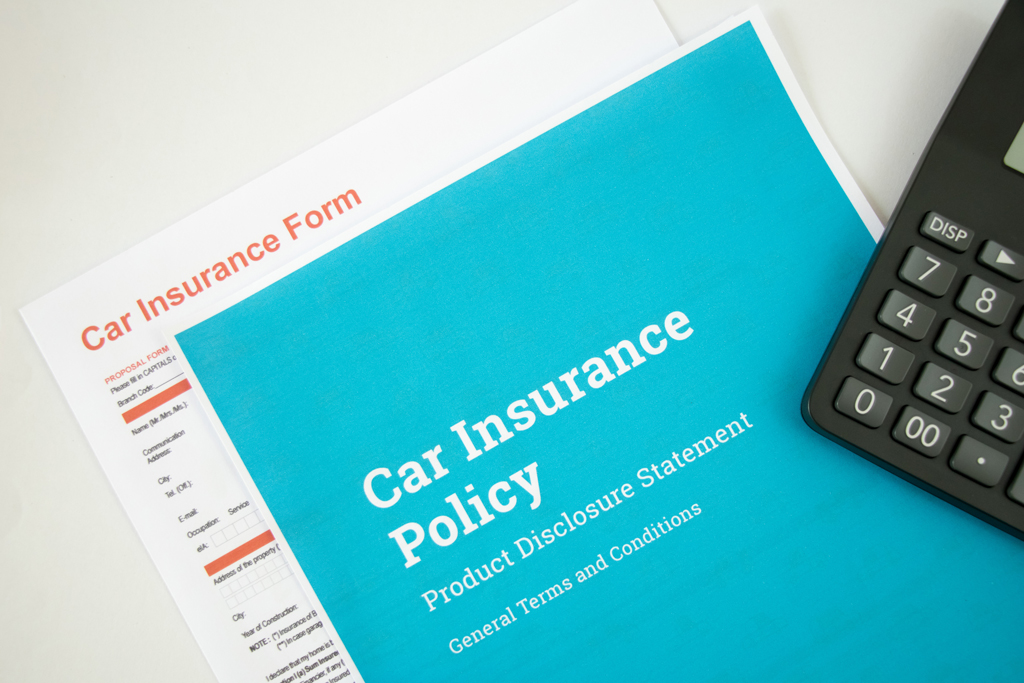
A car insurance premium is the price you pay an insurance company for your policy — essentially, it's the cost of insuring your vehicle. Premiums are calculated based on your risk profile. Higher-risk drivers pay more for insurance, while lower-risk drivers pay less. Car insurance premiums are often quoted as an annual amount, but many insurers allow you to pay this cost in monthly or quarterly installments.
How much is car insurance per month in Barbados?
There is no fixed monthly cost for car insurance in Barbados. The amount you pay per month depends on your total premium, which varies widely from driver to driver. Insurers typically quote an annual premium, but you can often divide it into monthly payments for convenience.
The premium you'll owe is personalized, reflecting your coverage choices and personal risk factors. Choosing the basic third-party only coverage (the legal minimum) will be the most affordable option, whereas opting for comprehensive coverage with broader protection costs more. Beyond coverage type, insurance providers consider many factors when calculating your premium.
Key factors include:
Driver's age and experience: Younger drivers pay more. Seasoned drivers pay less (due to differing accident risk).
Driving history: Accidents or tickets will increase your premium, while a clean record helps lower it.
Vehicle make/model/year: Expensive or new cars cost more to insure (higher replacement/repair costs).
Coverage type: Third-party insurance is the cheapest. Comprehensive coverage is more expensive.
Ways to Lower Your Car Insurance Premium
Fortunately, there are several ways you can lower your car insurance premium and save money. Consider taking advantage of the following:
Safe driving discounts: Insurance providers usually offer a lower premium for safe drivers who avoid accidents. For example, here at General Accident, you may be entitled to a "No Claims Discount". Our "No Claims Discount" accumulates over time based on the number of years you drive claims-free.
Bundling policies: If you bundle your policies, you may qualify for a lower premium. For example, at General Accident, if you have your car and home insured with us you get a bundle discount of 10%.
Comparing insurance providers: If you want a lower car insurance premium, don't be afraid to compare insurance providers. You may find another provider who will give you a lower premium and help you save some money. Make sure you're paying attention to what is covered, excess and other important factors before opting for a seemingly lower premium.
Insuring multiple vehicles with the same provider: Some insurance providers, like General Accident, will give you a discount if you insure more than one vehicle with them. Currently, we offer a 10% discount.
How to Get an Accurate Insurance Quote
An accurate insurance quote is important, especially when you're trying to compare insurance providers to get the best deal. If you're looking to get an accurate insurance quote, we make it easy for you. You can get a quick quote from our website by entering some basic information. As you can see, car insurance is calculated using a variety of factors that range from the type of vehicle you have to where you live and your driving habits.
That's the primary reason why insurance premiums can vary so widely among drivers. If you're looking to decrease the cost of your premium, there are many paths you can take. We recommend reaching out to us at General Accident to ensure you're getting an accurate quote and fair premium based on your situation.
In This Guide
Key Premium Factors
- Driver age & experience
- Driving history
- Vehicle make, model & year
- Coverage type selected
GenAc Discounts
- No Claims: Grows each claims-free year
- Bundle: 10% for home + car
- Multi-vehicle: 10% discount
Frequently Asked Questions
How Does the Make and Model of My Car Affect My Car Insurance Premium?
The car you drive has a big impact on your insurance rate. Generally, an expensive, high-end or new vehicle will cost more to insure than a cheaper or older model. Cars with strong safety ratings or advanced safety features, on the other hand, often qualify for lower premiums since they're less risky to cover. Meanwhile, if a particular car model is frequently targeted by thieves, insurers may charge a higher premium for that model. Installing anti-theft devices (like alarms or immobilizers) can help reduce the cost.
How Does Making Modifications Affect My Car Insurance Premium?
Modifying your car can affect your premium. In general, any modification that boosts your car's performance or value is likely to increase your insurance cost. This is because a faster, more valuable car is riskier and more expensive to cover (repairs or replacements would cost more).
On the other hand, mods aimed at safety or security can sometimes lower your premium. Installing features like alarm systems or an immobilizer could qualify you for a discount, as they reduce the risk of theft or damage.
How Does My Age Affect My Car Insurance Premium?
Your age has a significant influence on the premium you pay. Young drivers — especially teenagers and those in their early 20s — face higher premiums, since they are statistically more likely to be involved in accidents. As you get older and gain experience, insurers reward you with lower rates. Experienced drivers typically enjoy much cheaper insurance, provided they maintain a clean driving record.
How Does My Driving History Affect My Car Insurance Premium?
Your driving history is one of the most important factors in your premium. Each accident or traffic ticket can drive up your insurance rate. Conversely, a clean record helps you secure lower premiums. Insurers often offer rewards for staying claim-free. For example, GenAc's No Claims Discount grows larger with each year you don't make a claim.
Get a Fair Car Insurance Premium in Barbados
General Accident offers competitive car insurance rates, a No Claims Discount, and a 10% bundle discount when you insure your home and car with us.
Get Your Free Quote